“You’re an hourglass? Everything looks good on you.”
Then a straight, loose dress goes on, and the waist disappears.
The silhouette is still there. The clothes just stopped following it.
Hourglass body shape (X, or 8 if you’re curvy): the dresses, jeans, necklines and belts that follow your waist, and the cuts I’d skip. Balance comes first.

By Lisa Routa
“You’re an hourglass? Everything looks good on you.”
Then a straight, loose dress goes on, and the waist disappears.
The silhouette is still there. The clothes just stopped following it.
Yes. Hourglass, hourglass figure and X are names for the same silhouette.
The 8 is simply an hourglass with fuller curves. The logic of the clothes stays the same.
What defines the shape is balance. Your shoulders and hips sit in proportion, and the waist is clearly marked between them.
Not sure that describes you? My three questions on shoulders, waist and hips help you place yourself. If you see yourself in two shapes, read both descriptions and take what feels true. You can also see all five side by side in the overview of body shapes.
Three moves cover it. Show off your natural curves. Accentuate the waist. Keep the shoulders and hips in balance.
Balance matters as much as the waist. Belts show it well: very wide or worn low, they pull attention toward the hips. The waist is what sets off the balance between your upper body and your lower body.
So the question for every piece is the same. Does it follow the waist, or does it cover it?
Fitted does not mean squeezed. The cuts below follow your curves without compressing them.
A dress is where the waist shows first, so it carries the most weight in an hourglass wardrobe.
I suggest the cinched dress, which defines the waist with or without a belt. The wrap dress does the same and follows your natural line. The pencil dress hugs the silhouette and stays sophisticated.
Two softer options: the draped dress, which brings out the curves gently, and the trapeze, which marks the waist without pressing on the hips.
The one to skip is the straight, loose dress. It flattens the silhouette because nothing in it points to the waist.
For a cut-by-cut comparison across all five shapes, see the dress article.
Below the waist, the aim is balance: pieces that harmonize the hips without compressing your curves.
For jeans, a flare draws a long, flowing line. A bootcut balances the hips and lengthens the legs. A fitted stretch follows your curves without pressing on them. Straight gives the hips dimension and structures your lines. Boyfriend highlights the legs and creates the illusion of a defined waist.
For pants, the cigarette, the palazzo, the fitted straight and the pleated all work.
The palazzo is the interesting one. It’s roomy, yet it still sets off a narrow waist.
Baggy is where it goes wrong, in jeans and in pants. Too much volume at the bottom throws the balance off, and baggy pants with no structure cover up the waist.
Up top, the same rule applies. A cinched, wrap, belted or peplum top defines the waist. A fitted, flowy top falls without breaking up your curves. An oversized one erases the proportions.
Necklines open the upper body. A V-neck lengthens the neck, a surplice brings out the bust, and square, sweetheart and slight boat necks all work. High, structured necklines are the opposite: chokers, mandarin collars and thick turtlenecks break the line of the neck.
| Piece | Cuts that follow the waist | Cut that works against it |
|---|---|---|
| Dresses | Cinched, wrap, pencil, draped | Straight and loose |
| Jeans | Flare, bootcut, fitted stretch | Baggy |
| Pants | Cigarette, palazzo, pleated | Baggy, unstructured |
| Necklines | V, square, surplice, sweetheart | Choker, high, thick turtleneck |
| Belts | Thin, medium to wide | Very wide, high contrast, worn low |
Belts deserve a precise word. A thin one adds a delicate line to a waist that’s already defined. A medium to wide one accentuates the waist on a fitted dress or top. Too wide, too contrasting or worn too low, and it puts the emphasis on the hips.
Outer layers keep the waist in view. A cinched blazer or a short jacket brings it forward, and a peplum jacket gives structure to the bust. A trench or a belted coat lets you define the waist, and a fitted trapeze coat balances top and bottom. Shapeless or oversized jackets and straight coats do the opposite.
For skirts, think wrap, pencil, fine pleats, A-line or slit. A stiff, straight skirt erases the waist.
Sweaters work cinched and fitted, or wrapped. Jumpsuits work wrapped, belted or wide-leg, while a straight one with no definition erases the curves.
Sleeves follow the same balance. Fitted ¾-length, light flare, kimono and tailored cuts keep the line proportioned, and slightly puffed ones add subtle volume while the waist stays in the spotlight. Oversized balloon sleeves cover the waist.
No. These are suggestions, not rules.
If you love an oversized sweater and you feel wonderful in it, wear it. The cuts above are a place to start, nothing more.
Shape answers which cut. Color answers which shade, and the free color quiz gives a first hint on that side.
It means your shoulders and hips balance each other around a clearly defined waist, with harmonious curves. That’s the whole description. It says nothing about size, and it isn’t a ranking: it’s one of five shapes.
A flare, a bootcut or a fitted stretch. The first two balance the hips, and the stretch follows your curves without pressing on them. Straight and boyfriend are two more options. Baggy jeans are the one cut to leave on the rack.
Anything that takes the waist out of the picture: straight, loose dresses, shapeless jackets, baggy denim. Add stiff high necklines and very wide belts worn low. These are cuts that work against balance, not verdicts on a body.
Yes. Hourglass and X are two names for one silhouette, and the 8 is the version with fuller curves. Pick the name that feels closest to you. Whichever you choose, the clothes follow the waist in the same way.
No. Your shape gives you a clear waist, but the clothes decide whether it shows. Something straight, loose or shapeless works against the balance between your shoulders and hips. That’s about the cut, and no shape is better than another.
Pull your straightest dress and your most cinched one from the closet. Put each on in front of a mirror.
Look at where your eye goes. If it lands on the waist in one and slides past it in the other, you know what to look for on the next hanger.
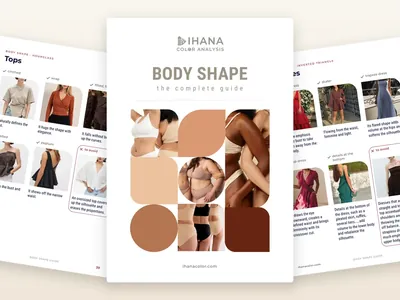
If buying clothes feels like guessing, returning half of it and still not knowing which cut to choose, my Body Shape Guide is there for that. It takes you through each clothing category, so getting dressed stops being a guessing game.
With all my heart and passion, Lisa
Keep reading
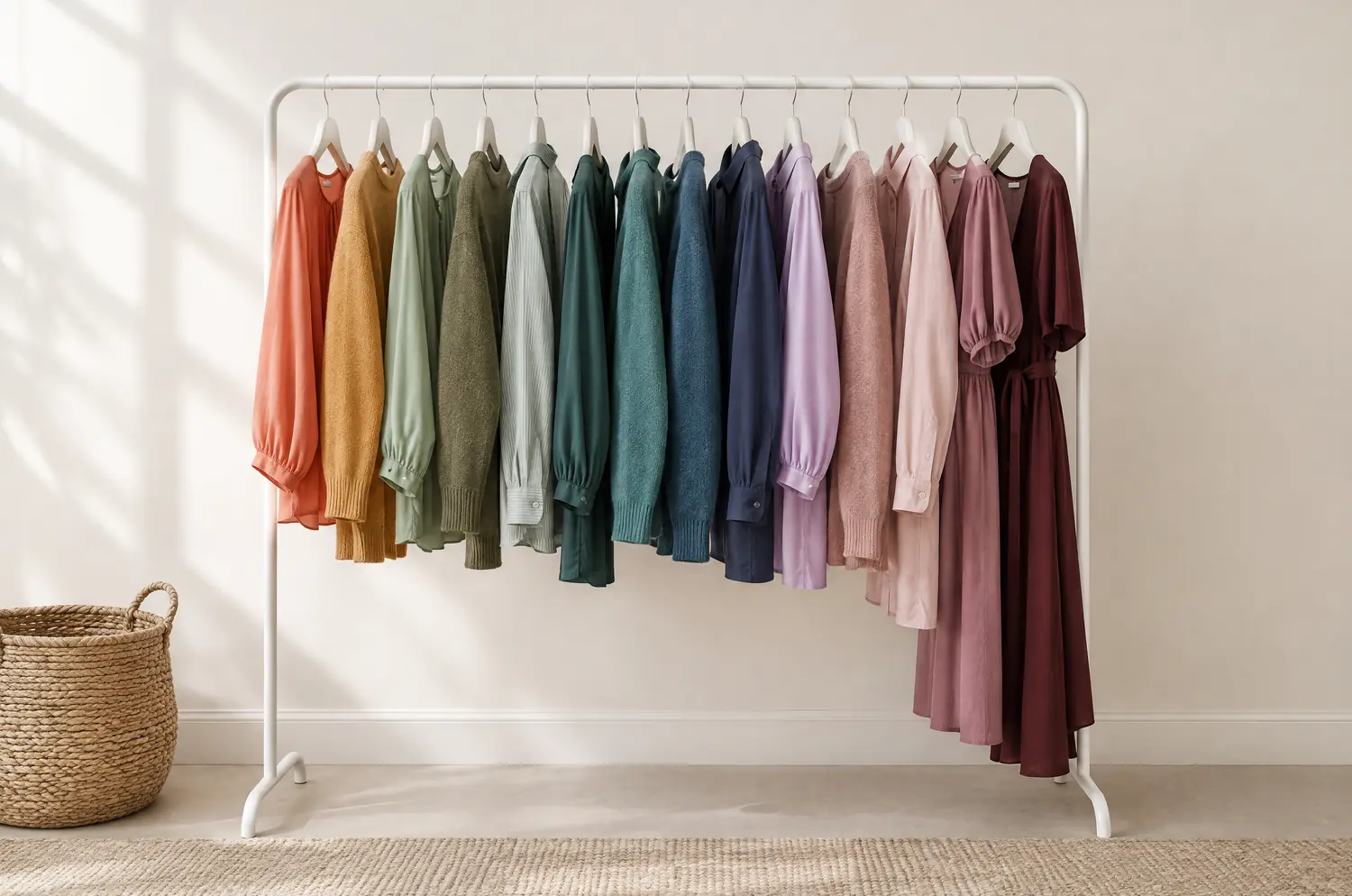
Take the free quiz for a first hint of your season, then explore the 12 seasons to see your palette.