Natural Bridal Makeup Starts With Your Color Season
Natural bridal makeup starts with your color season. I show the lip, eye and cheek shades for each sub-season, and how to test them before the wedding day.
Look at a face on a wedding day and you see something else. The right shades make her look more like herself, only brighter.
That’s natural bridal makeup. Not a bare face. Not a borrowed look from a magazine. Your own colors, chosen with care.
Why does your season come before the look?
A look is a picture of someone else’s face. Your season is a description of yours.
Color analysis reads three things: temperature (warm or cool), depth (also called lightness) and clarity (also called intensity). Contrast, the difference between your hair, eyes and skin, is one more clue. Those four things decide which shades brighten your complexion and which turn it gray or yellow.
Lipstick and blush sit right on the skin. A shade that fights your temperature shows up fast. You see the lipstick before you see the bride.
Warm and cool only get you started. Depth, clarity and contrast change the shade.
Which lip, eye and cheek shades belong to your season?
These are shades that appear across each family, not a rule for all three of its sub-seasons. Use them as a starting point, then narrow to your sub-season.
Season
Lips
Eyes
Cheeks
Spring
Peach, coral, tomato red
Champagne, light gold, soft green
Apricot, coral
Summer
Rosewood, dusty rose, raspberry
Light gray, taupe, soft plum
Fresh pink, tea rose
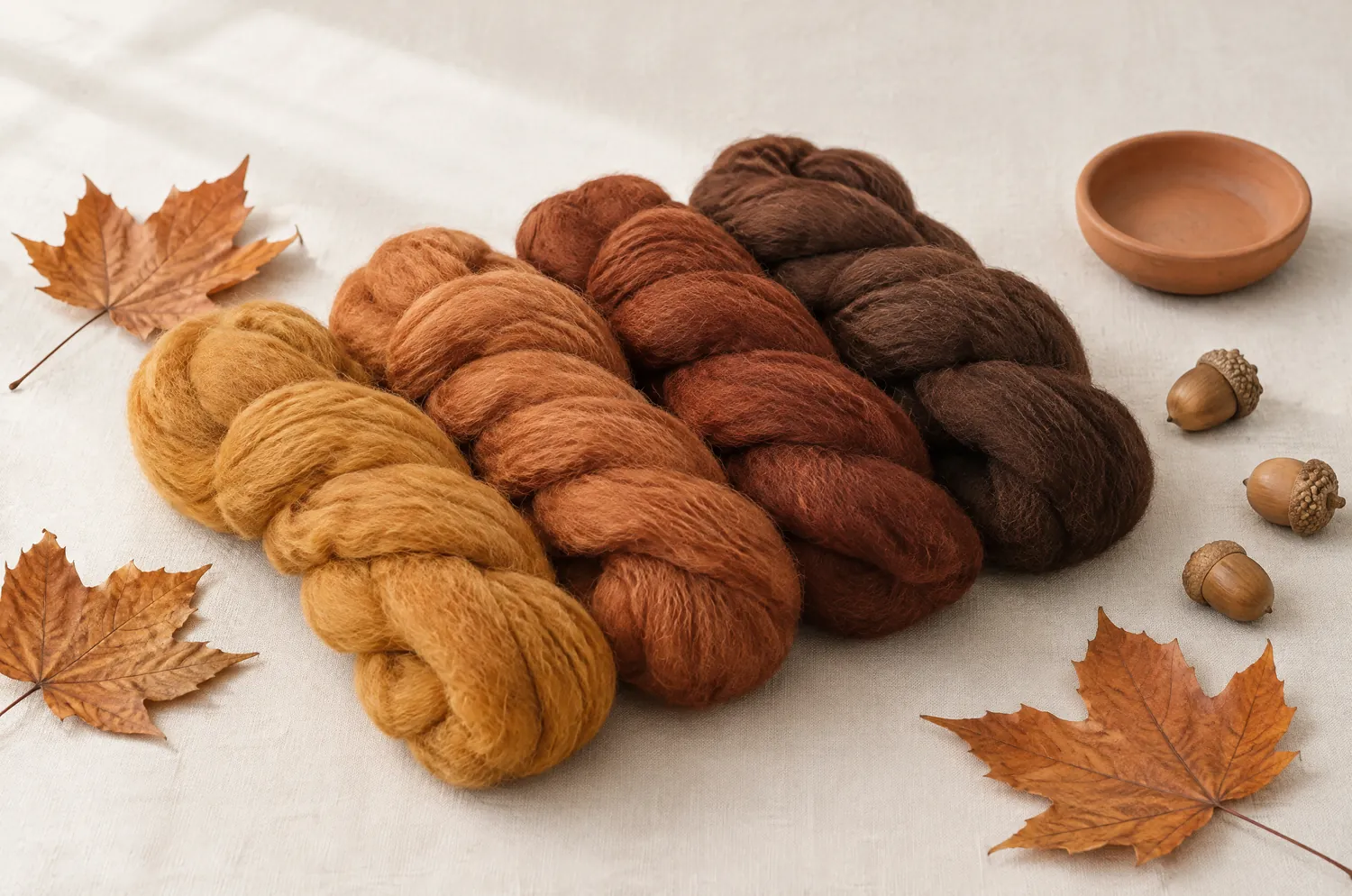
Autumn
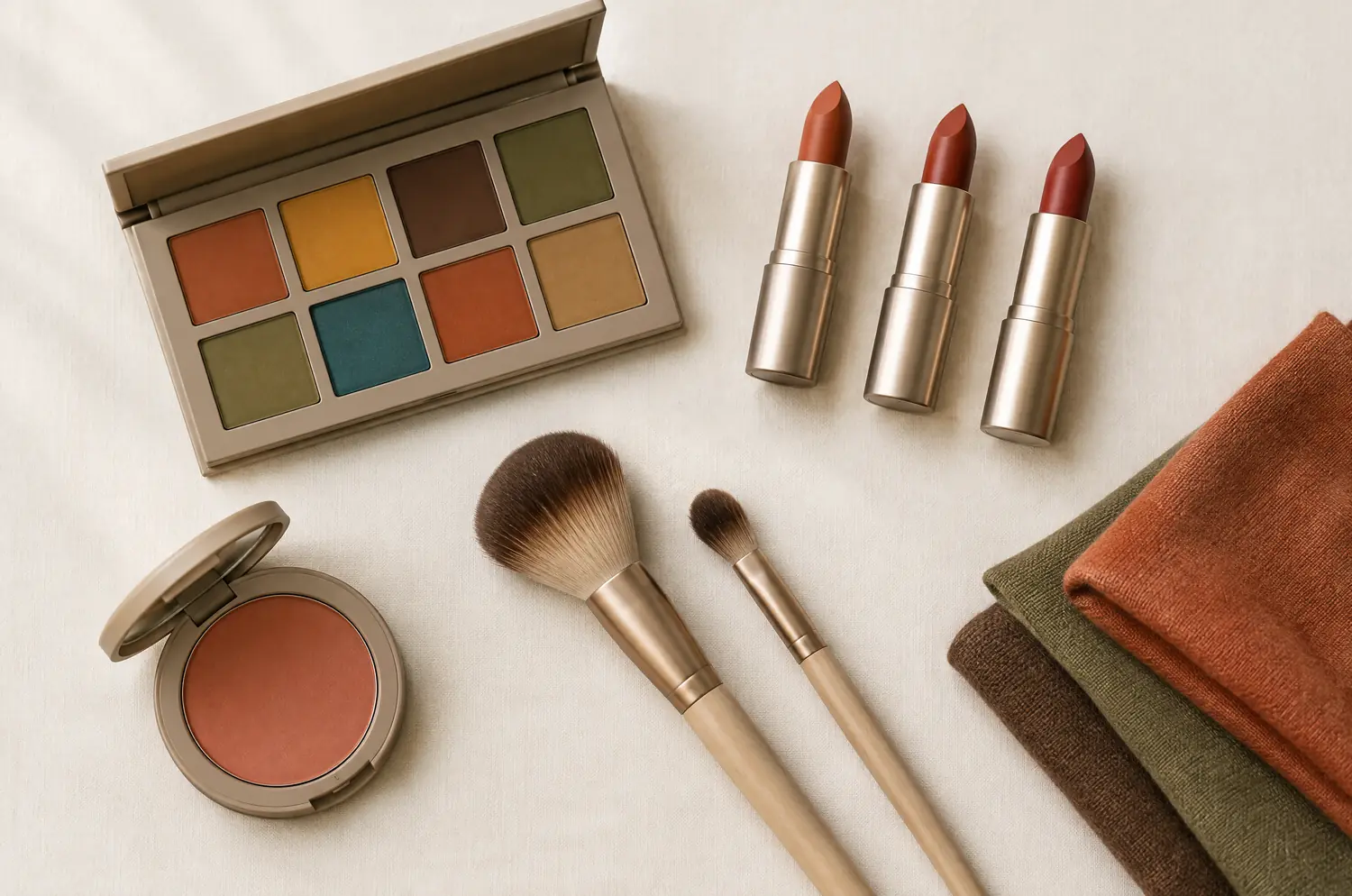
Rosy peach, terracotta, brick
Soft bronze, copper, chocolate
Peach, terracotta
Winter
Burgundy, raspberry, fuchsia
Charcoal, navy, silver
Raspberry pink, bright pink
Inside a family, the sub-season changes the shade. A Light Spring leans to peach and salmon pink. A Bright Spring can carry tomato red. A Soft Autumn prefers rosy peach and apricot, while a Deep Autumn reaches for brick and warm burgundy.
In my view, natural means the shades of your sub-season, kept at the strength your face already carries. A low-contrast face, such as a Light Summer or a Soft Summer, looks natural in sheer, quiet shades. Rosewood, tea rose and a smudged taupe all sit well there.
A high-contrast face is different. A Deep Winter’s dark lip comes naturally to her. A Bright Winter’s bold pink or clear red is her best asset. Making them pale would look strange, not natural.
My advice: don’t copy the strength of a look you saw on someone else. Copy her shade only if it sits in your list, then set the intensity by how you look in the mirror.
Less than you’d think. Fair, olive, tan and deep skin tones each turn up in all four seasons.
Wedding makeup for fair skin is a good example. A fair Light Spring wears peach, while a fair True Winter wears raspberry or a blue-toned red. Same paleness, opposite lips.
Olive skin works the same way. Olive can lean warm, cool or neutral, so it fits in more than one season. If that is you, olive skin tone colors will help you read it before you pick.
Deep skin tones follow the same logic. Your season decides the shade, and your skin decides how much of it shows.
Does your dress color change the makeup?
Yes, a little, because a color near the face reflects onto the skin.
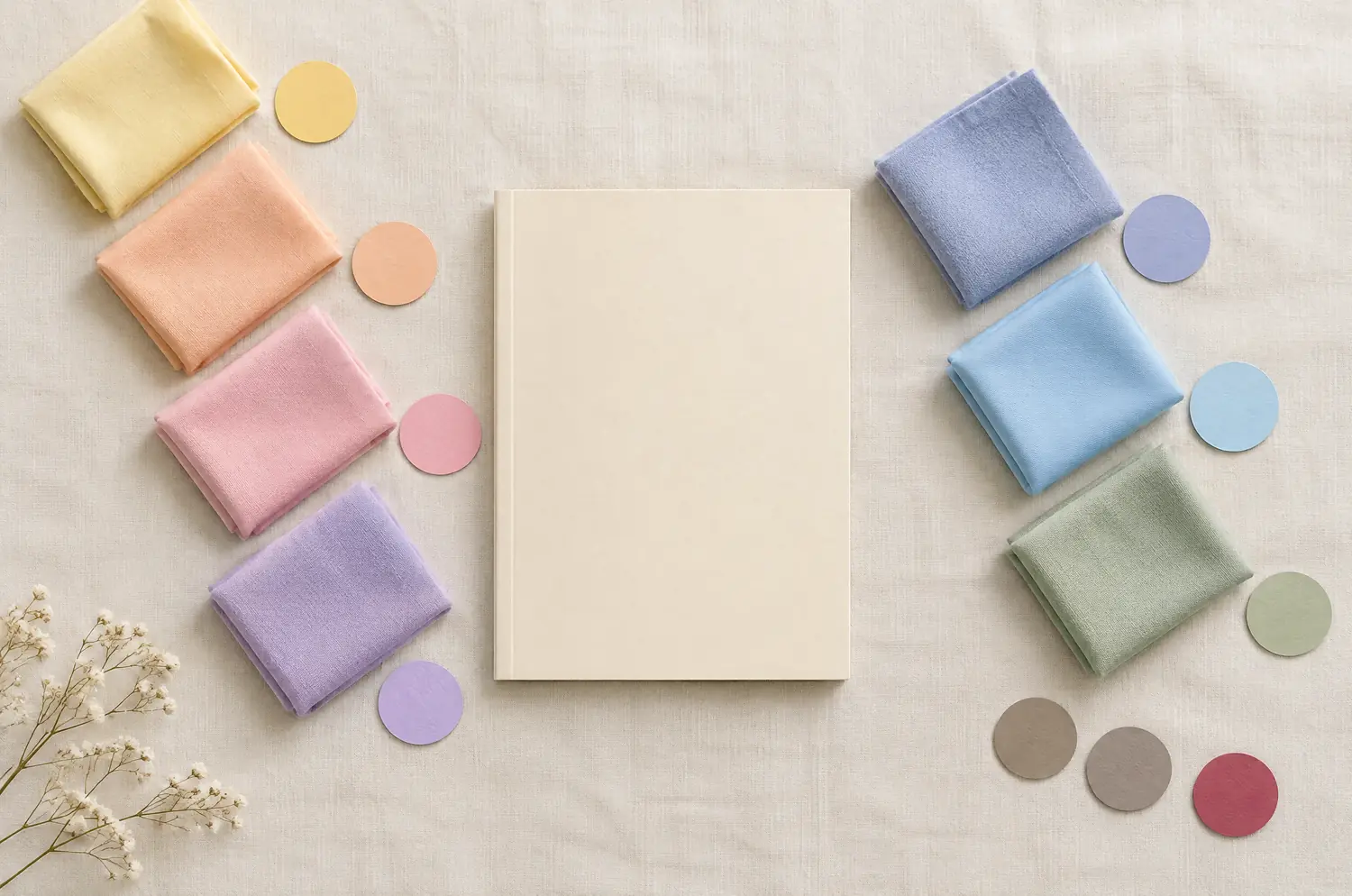
A white, ivory or cream bodice sits right under your chin. It reflects its tone onto your skin.
Hold it there and look. A Soft Autumn, for example, has cream among her neutrals and optic white on her avoid list.
If your dress is already chosen, don’t change it for the makeup. Test your lipstick against it instead, and adjust the lipstick.
For guests’ colors and the dress code question, see what to wear to a wedding. For the bride, the rule is simpler: check the fabric next to your bare face.
How do you test your shades before the trial?
Do the first round at home, before you ever book a chair.
Sit at a window in good daylight. Leave your face bare and tie your hair back.
Hold two lip colors from your list near your face, one at a time.
Watch your skin. Does it smooth out, or does a shadow settle under your chin?
Repeat with cheeks and eyes.
Redo it another day, at another hour.
Then book the trial early enough to change your mind. Never the night before.
Bring the dress, the veil and anything that touches your face. Judge the makeup with all of it on. A yellow bulb warms everything, so step to a window before you decide.
Ask yourself three things. Do I recognize myself? Is my skin smooth, not gray or yellow? Is any shade stronger than the rest of my face?
Questions people ask
What is natural bridal makeup?
Makeup that looks like your face on a good day. The shades come from your sub-season, and the strength follows your contrast. Low contrast calls for sheer color. High contrast can carry a deeper lip.
How do I choose bridal makeup colors for my skin tone?
Skin tone alone won’t choose them. Find your sub-season, then read its lip, eye and cheek list. Hold two shades near your bare face in daylight and watch your skin. The method is the same for fair, olive and deep skin.
What bridal lipstick suits a warm undertone?
Look at the sub-seasons that lean warm. Coral and poppy red suit a Warm Spring, terracotta and burnt coral a Warm Autumn, brick and warm plum a Deep Autumn. A Soft Autumn, neutral to warm, takes softer apricot and soft caramel.
What bridal lipstick suits a cool undertone?
Sub-seasons that lean cool split by strength. A Cool Summer takes raspberry and soft cherry, a Soft Summer (neutral to cool) rosewood and muted raspberry. A Deep Winter goes to burgundy or plum, a Bright Winter to clear red or bright pink. Compare a cool shade with a warm one by a window.
Should I do a makeup trial before the wedding?
Yes, and use it to take notes. Ask whether the lip outshines the eyes, whether your skin looks smooth rather than gray, and whether you still recognize yourself after a long smile. Photograph the result in daylight and look again the next morning.
Take your lipstick and your white to a window today
Take the lip color you are considering and a piece of white or cream fabric near your face. Stand by a window, with a bare face. Hold one, then the other, and watch your skin.
Not sure of your sub-season? The free color analysis quiz takes about two minutes, with no sign-up. It points to a likely season and a sub-season hint, so you reach the trial knowing which lists to read.
On the day, you don’t need to become someone else.