Lyocell and Tencel Fabric: What It Is and How to Care for It
Lyocell fabric explained: Tencel is a brand name beside it on the label. How it feels, how it compares with cotton, modal and rayon, and how to wash it.
Stop looking for the difference between lyocell and Tencel.
On a label, they are one fiber.
Lyocell is the generic name. Tencel is a brand name that can sit beside it.
So when a tag says “lyocell” with TENCEL next to it, you’re not holding two fabrics. You’re reading the fiber’s name and a brand name together.
One fiber. Two names. Neither one is a warning.
Is Tencel really the same thing as lyocell?
For the tag in your hand, yes. The brand name is not a second fabric, so the fiber line is the one to read.
Lyocell is the fiber. A fiber trademark may appear on a US content label next to the generic name, and TENCEL is the brand name you’ll meet most often next to lyocell.
Where does the fiber come from? It belongs to the man-made cellulosic family, sometimes called regenerated. These fibers start from natural cellulose, mostly wood, which is chemically processed and regenerated. Modal and rayon are in the same family.
On a US label, lyocell is treated as a type of rayon. The Federal Trade Commission classifies it that way, and the Textile Act asks for the fiber content, by weight, from most to least.
The same tag names the maker, by company name or by an RN number. Imports show their country of origin. Care instructions come separately, under the Care Labeling Rule, in words or in symbols.
How does lyocell feel and wear?
Silky. Breathable. Soft against the skin.
That’s the feel in three words. For wear, durability is the strong point: very good, a notch above modal and above cotton or rayon.
A piece you wear and wash often is where that line counts. It’s also vegan.
How does lyocell compare with cotton, modal and rayon?
Here is how they compare.
Lyocell
Cotton
Modal
Rayon (viscose)
Feel
Soft, silky, breathable
Soft, breathable, versatile
Soft, keeps its shape, pills little
Fluid, soft, looks like silk
Durability
Very good
Medium
Good
Medium
Machine wash
85°F (30°C)
85-105°F (30-40°C)
85°F (30°C)
85°F (30°C)
Dryer
No, air dry
Yes, low heat, short cycle
No, air dry
Avoid
Environmental impact
Low to moderate
High if conventional; moderate to low if organic or recycled
Moderate
Moderate to high
Against cotton, lyocell is rated more durable. Cotton absorbs moisture well and comes in many textures. Its durability is medium, and low-quality cotton is sensitive to wear and shrinkage. Which is better depends on how you’ll wash the piece.
Modal is in the same man-made cellulosic family. It’s soft and breathable too, with good durability, and it also dries in the air. Lyocell’s durability is rated higher.
Rayon has medium durability, and it can shrink or wrinkle easily. Viscose is labeled rayon in the US, though “viscose” is also allowed on a tag, so you may see either word. What viscose is has its own article.
What should you know about its environmental impact?
Low to moderate.
The reason is the process. The producers describe lyocell as made in a closed-loop process. Treat that as their description.
One more difference: lyocell is made without carbon disulfide. Rayon’s chemical process uses caustic soda and carbon disulfide, and its environmental impact is moderate to high.
Cotton is a useful reference. Conventional cotton rates high, and organic or recycled cotton moderate to low. For the cellulosic family as a whole, the impact depends on the manufacturing process and on where the wood comes from.
How do you wash, dry and iron lyocell?
My advice is simple.
Use the machine on the 85°F (30°C) setting. Air dry it instead of using the dryer. Finish with a gentle iron.
That’s my advice for lyocell. The garment’s own label always comes first.
What about shrinkage? I can’t promise either way. Follow the care line above, and let the label settle the rest.
Not sure what the tub with dots or the iron on your tag means? Read those symbols first. The Care Labeling Rule asks for care instructions on the garment, in words or in symbols, and they outrank my advice. To read the tub and the iron, see laundry symbols and what they mean.
Frequently asked questions
Is Tencel the same as lyocell?
Yes. TENCEL is a trademark, not a separate fabric: lyocell is the fiber name, and the brand name can sit beside it.
Is lyocell better than cotton?
It depends on the job. Lyocell is soft, silky and rated very good for durability, while cotton is rated medium. But cotton can go in the dryer at low heat, while my advice for lyocell is to air dry it. Choose by how you plan to wash the piece, then check its label.
Does lyocell shrink?
I can’t promise either way. For lyocell, follow the gentle wash and air drying, and let the label overrule me.
Is lyocell good for sensitive skin?
Lyocell is silky and soft against the skin. That describes how it feels. It is not a medical claim, and I can’t judge your skin. Read the fiber content on the tag before you buy.
Is lyocell sustainable?
Low to moderate, in my rating, which is better than rayon and, for conventional cotton, better than that fiber too. The wood’s origin still matters for the whole family.
Can lyocell go in the dryer?
No, my advice is to air dry it. If the tag says otherwise, the tag wins.
Will you read the label before the next wash?
One idea to keep: Tencel is the name on the tag, lyocell is the fiber, and the care line on the label is the one to follow.
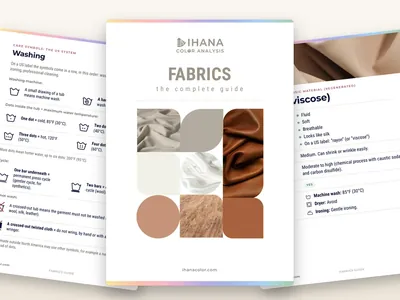
You can buy a fabric by its name and only learn what it does after the first wash. A sweater that shrank, a “silky” piece that pilled, a label nobody explained: my Fabric Guide is for those moments. It helps you read the tag before you buy, and look after the piece afterwards.
With all my heart and passion, Lisa
Go further
Fabric Guide (PDF)Know what a fabric will do in the wash and on your skin before you buy it.$19.99See the guide