What Is a Color Analyst? What They Read and How a Session Goes
What is a color analyst? I explain what a color analyst reads on your face, how an analysis goes, what a quiz can’t see, and what to ask before you book one.
People think a color analyst tells you which colors you like.
What you see, when the work is done well, is a face changing.
Hold a soft peach near your chin and your skin evens out. Your eyes pick up some light. Swap it for a cold gray and a shadow settles under your eyes.
The analyst reads that change, color after color and pair after pair. When the pattern is clear, a palette to dress from follows.
What does a color analyst look at on your face?
Color. Not your style, not your age, not your shape.
Three things carry the reading. Temperature: is the color warm or cool? Depth, also called lightness: how pale or how deep? Clarity, also called intensity: how soft or how bright?
Then comes contrast, the distance between hair, eyes and skin: low, moderate or high. It adds information, but it doesn’t decide alone.
Undertone sits behind temperature. Think of it as the tone your skin carries underneath, not the shade you see in the mirror. Two people with the same skin tone can have different undertones.
Put the three axes together and you land in one of twelve sub-seasons: four seasons, three sub-seasons each. Seasonal color analysis explains how they fit together.
What does an analysis look like, step by step?
The setup is plain on purpose. Every item keeps the reading honest.
Daylight, near a window. A yellow bulb warms everything, your skin included.
A bare face. Makeup changes the color of your skin.
Hair covered or tied back, so skin and eyes are what gets looked at.
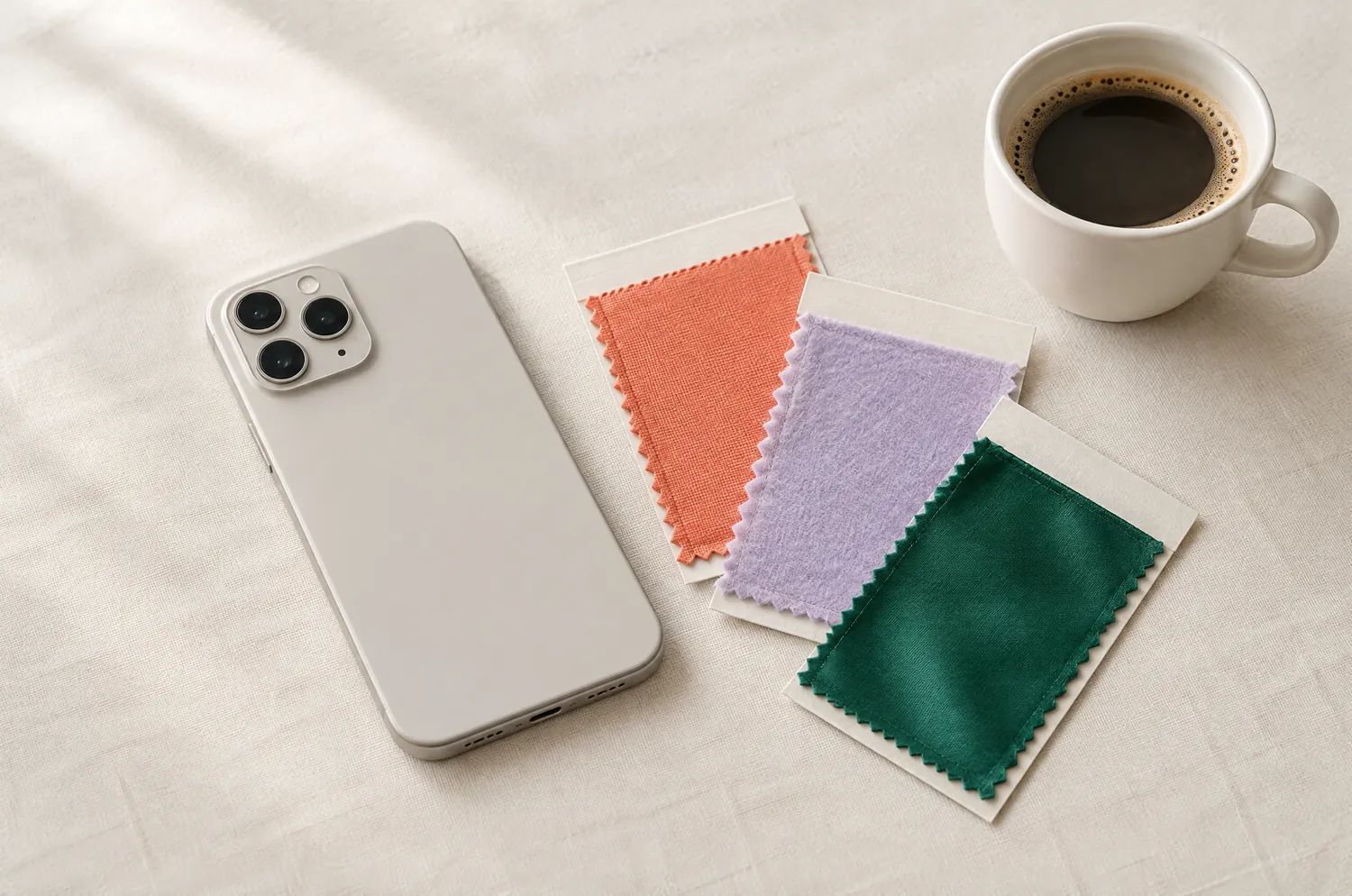
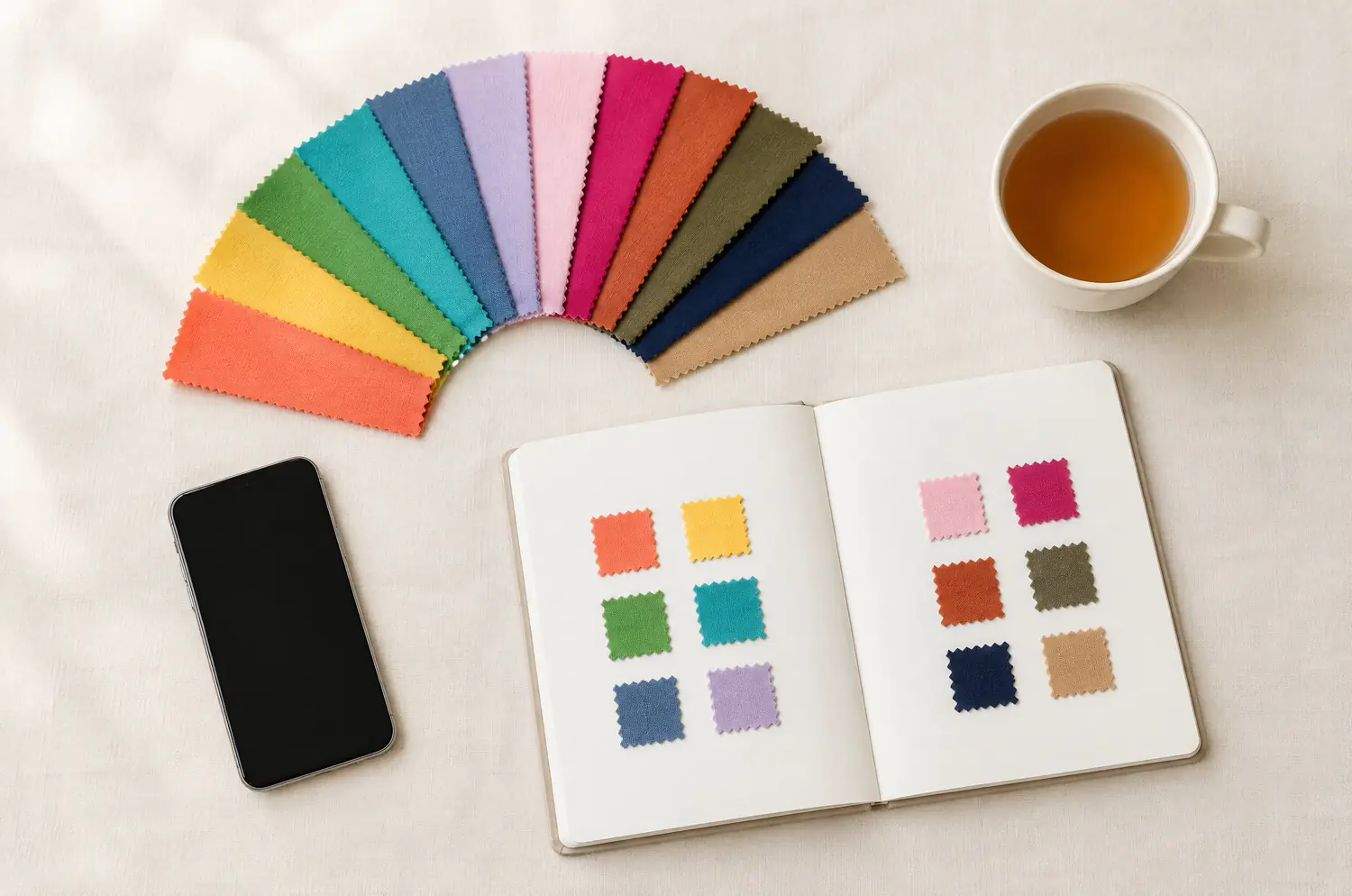
Colors held near your face, one at a time. That’s draping.
A close watch on skin, eyes and hair as each color arrives.
A palette chosen from what the analyst saw.
Each reaction gets a name: smoothed, flattened, brightened, grayed. Added up, those notes become your palette. A color you love can still be the wrong one near your face.
If you want to try the gesture yourself, color draping at home walks through the setup and the order.
What can a trained eye read that a quiz can’t?
A quiz asks questions about you. Draping shows an analyst your face.
That difference matters. A reaction to color is something you have to watch happen, and veins, light or dyed hair can all steer a description of yourself the wrong way.
An app or a filter points you somewhere, yet neither sees a fabric change your skin. I explain where that goes wrong in the ChatGPT and app article.
Neighboring sub-seasons are where the eye earns its keep. Soft Autumn and Soft Summer are both soft, and what separates them is temperature: one leans warm, the other cool.
The free quiz on this site gives you a direction to test, nothing more. For how I weigh tools against a trained eye, read the method page.
Color analyst, stylist, makeup artist: who does what?
Three jobs, three questions. They overlap in the middle, and they are not the same work.
Job
What it works on
What you leave with
Color analyst
Color near your face: temperature, depth, clarity
A season, a sub-season, a palette
Stylist
Outfits, fit, cut
Clothes put together around your shape and taste
Makeup artist
Products applied to your face
A finished look, in shades chosen for the occasion
Whatever the title, ask what the person works on. A color analyst reads color. Cut and outfits are a separate question.
Two checks are enough here. Will colors be held against your face one at a time, in daylight? And will your hair be covered, so that skin and eyes are what gets read?
My advice: walk away from anyone who names your season from your hair color. Hair is one clue among several.
My own one-to-one photo analysis exists in French only for now.
Frequently asked questions
What does a color analyst do?
A color analyst works out which colors make your face look rested and clear, and which ones tire it. The outcome is a season, a sub-season and a palette you can shop from. Cut and body shape aren’t part of that work.
What is the difference between a color analyst and an image consultant?
Titles overlap, so ask what the work covers. An image consultant may also take on clothes or presentation. A color analyst’s job is narrower: how shades act on your face. If you want cut and body shape too, that is a separate question.
Can a quiz or an app replace a color analyst?
No. A quiz works from what you tell it, and an app from a photo that light and camera have already altered. Neither can watch a fabric change your skin. Take the result as a direction, then check it with real colors or a trained eye.
How does a color analysis session work?
You sit by a window with a clean face and your hair pulled back. Colors are held under your chin one after another while someone watches your skin, eyes and hair. At the end you get a season, a sub-season and a palette.
How do I choose a color analyst?
Look for colors held against your face in daylight, one at a time, and for an analyst who tells you what she saw on your skin, not a verdict drawn from your hair color or a selfie. Price and format have their own article: color analysis online or near you.
The next time you look in the mirror
Once you know your direction, you’ll look at the mirror differently. You’ll see a color at work: your eyes catch some light, or a shadow settles under them. The sweater either disappears or takes over.
You’ll know the answer when the color stops being the first thing you see.
To get a direction, answer ten questions in the free color analysis quiz. It gives you a likely season to test at a window.