Free: the color analysis quiz. Find your season in 2 minutes →Free quiz: your season in 2 minutes →

Best Colors for Pale Skin (and Why It Isn’t One Season)

Colors for pale skin depend on your undertone, contrast and season, not on how fair you are. I show what flatters, what washes out, and how to test at home.

Lisa Routa, color analyst

By Lisa RoutaPublished · 8 min read

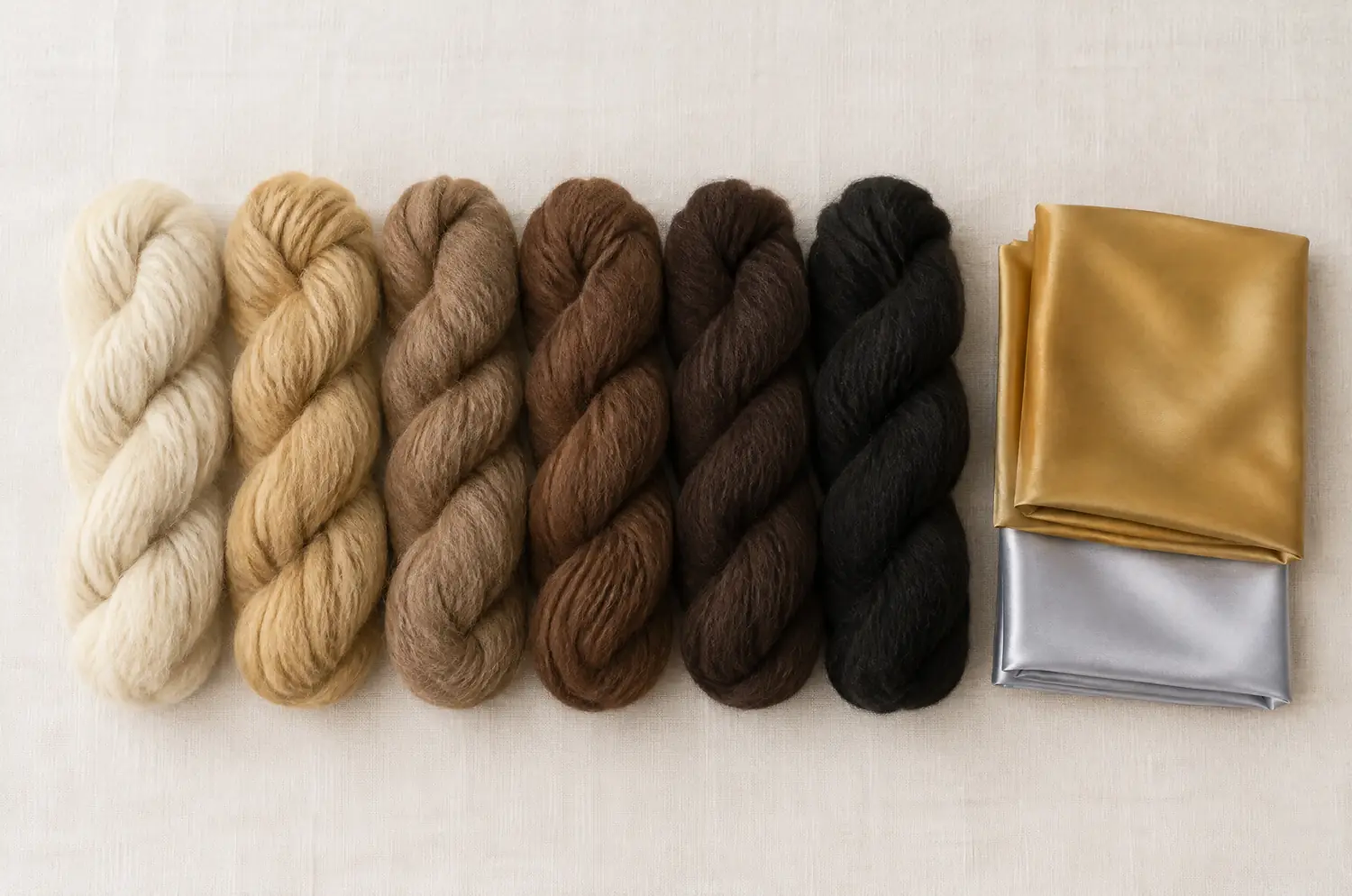
Six skeins of wool from platinum blond to black, next to a gold satin fabric and a silver satin fabric
On this page7 sections
  1. What does “pale” leave out?
  2. How do you read an undertone on very fair skin?
  3. Which colors tend to flatter a pale face?
  4. What washes out a pale face, and what can you do about it?
  5. Does dark, blond or red hair change what suits a pale face?
  6. Questions people ask
  7. What you’ll see in the mirror when the color is right

You pull a soft gray sweater over your head and step to the mirror.

Your face goes quiet. The pink across your cheeks, the shade of your eyes, the line of your brows all seem to sink into the knit.

You swap it for a rich green one. Someone walks back into the frame.

Same face.

Same light.

Different sweater.

That’s the puzzle of pale skin. It collects short advice: “Wear pastels.” “Skip black.” “Go cool.”

Each line works on some pale faces and fails on others. The reason is simple, and easy to test.

What does “pale” leave out?

Most of what picks your colors.

“Pale” tells you how light your skin is. That’s one fact, and a real one.

But your color season rests on three axes: temperature, lightness and intensity. Lightness means how light or deep a color reads. Intensity means how vivid or muted it is. Paleness speaks to part of one of them.

Temperature comes from your undertone, the hue that sits beneath the color you see on top. Fair skin can look pink at the surface and may still carry a golden undertone, which daylight helps you see.

Then there’s contrast: how far apart your hair, eyes and skin sit. It can be low, moderate or high.

Picture two pale faces. One has black hair and dark eyes, so the contrast is high. The other has light blond hair and light eyes, so the contrast is low. Same paleness, opposite needs.

That’s how pale skin ends up in every season. A slightly warm, gentle face may be a Light Spring. A cool, delicate face may be a Light Summer. Muted coloring can point to Soft Autumn, and sharp contrast to True Winter.

In my view, pale is the easiest coloring to misjudge, because the first impression feels so certain.

I cover the wider question of pale, tan and deep side by side in what colors look good on you. Here I stay with fair coloring.

How do you read an undertone on very fair skin?

Carefully, and with colors rather than your eyes alone.

Fair skin shows everything. A flush across the cheeks, veins at the wrist, a yellow cast along the jaw. Most of that sits on the surface, and the undertone is quieter.

So pink-looking skin doesn’t prove a cool undertone. Ivory-looking skin doesn’t prove a warm one. Redness is a surface matter and can come with either. That’s where the old shortcut, “pale means cool,” falls apart.

Use the colors instead. Face a window in daylight, bare-faced, with your hair tied back. Hold Peach under your chin, then Powder Pink. This pair suits light faces, so treat it as one lean, not an answer.

If Peach smooths your skin, you may lean warm. If Powder Pink does, you may lean cool. If neither clearly wins, you may be neutral, which is a real reading and not a failed test.

Then run a second pair that fits your depth, such as Coral against Raspberry. If the same temperature wins both rounds, you have a direction.

My advice: skip the bathroom bulb. A yellow bulb warms everything, your skin included, and it will push you toward warm every time.

If your results disagree, six undertone tests and where each one fails can help you sort out which signal to trust. For the vocabulary itself, what warm, cool, neutral and olive look like is a good companion.


Which colors tend to flatter a pale face?

Start from a principle, not a swatch.

A pale face has little natural depth, so whatever you wear next to it speaks loudly. A color flatters when it matches your face’s own strength: soft faces with soft colors, bright faces with clear ones, warm with warm, cool with cool.

Here is how that plays out across five sub-seasons. Every one of them can belong to a fair face.

Sub-season Your coloring reads as Colors that work Colors that wash out
Light Spring Slightly warm, fresh, low contrast Peach, Light Coral, Butter Yellow Black, Burgundy, Charcoal
Light Summer Slightly cool, soft, low contrast Powder Pink, Lavender, Sky Blue Black, Orange, Mustard
Soft Autumn Neutral to warm, very soft Light Terracotta, Sage Green, Caramel Optic White, Fuchsia, Electric Blue
Bright Spring Neutral to warm, very bright, high contrast Bright Coral, Turquoise, Azure Blue Grayed Beige, Dusty Rose, Taupe
True Winter Very cool, saturated, high contrast Royal Blue, Emerald, Fuchsia Orange, Mustard, Warm Brown

Read the rows across, then compare them.

Nothing in that table says pale equals pastel. A Bright Spring or a True Winter can be just as fair as a Light Spring, and wants colors with far more force. Fuchsia lights up a True Winter and sits on the avoid list of a Soft Autumn.

Light Spring and Light Summer are neighbors. Both are very light with low contrast, so the Peach and Powder Pink duel is the one that splits them.

Each sub-season has a longer list than three colors. The twelve sub-season pages hold the full palettes. For the face itself, blush and lipstick for pale skin goes deeper on pink, peach and berry families.

What washes out a pale face, and what can you do about it?

A color washes you out in one of two ways. It either overpowers your face, or it disappears into it.

Overpowering is the heavy-color problem. Black next to a soft, low-contrast face takes over, and people see the black first. Black sits on the avoid list of Light Spring and Light Summer. On a True Winter, the same black is a core neutral.

Disappearing is the opposite. A beige or pale tan close to your skin color erases the line between garment and face. Your features go flat, and the whole look reads as faded.

Temperature does its own damage. Orange can bring out redness on fair skin. It also sits on the avoid lists of Light Summer, Cool Summer and True Winter. A wrong color leaves the skin looking dull, and dark circles are the first thing you notice.

None of this calls for a purge of your closet. You have options:

  • Wear it low, in pants, a skirt or shoes
  • Layer a palette color near your face, like a scarf or collar
  • Add a lip or blush shade from your sub-season

The best color is sometimes the one that serves your goal. If a black blazer is right for a meeting, wear it. Just give your face something from your palette to stand next to.

Does dark, blond or red hair change what suits a pale face?

It changes the contrast, and contrast changes how much force your colors can carry. It doesn’t change who decides: your skin does.

Dark hair first. A pale face framed by black hair has a strong gap between hair and skin. Clear, saturated colors tend to hold their own there, while very faint pastels can look thin. But dark hair isn’t automatic high contrast. If the hair is a soft brown and the eyes are gentle, the gap narrows, and muted colors may suit you better.

Blond hair on a pale face often means low contrast, so heavy, very dark colors can take over. Yet defined brows and dark eyes can lift the contrast of a blond face, and the colors need to follow.

Red hair looks warm, so people jump straight to Autumn. Slow down. Red hair next to fair skin leaves every season open. Treat the hair as one more observation and let the skin vote.

Here is a duel that works for any hair color: Fuchsia against Dusty Rose. Fuchsia is clear. Dusty Rose is soft and grayed. If Fuchsia lights you and Dusty Rose looks faint, you lean toward clear, bright colors. If Dusty Rose smooths you and Fuchsia overpowers, you lean soft.

Tuck your hair under a plain scarf first, because hair reflects its color onto your skin. To read the gap more precisely, see how to read your contrast. If you’re thinking about dye, hair colors for pale skin shows how blond, brown, black and red behave on fair coloring.

Questions people ask

What colors should you avoid if you have pale skin?

It depends on your sub-season, so no color is banned for every pale face. Two usual culprits: a color heavy enough to swallow a soft face, and a color so close to your skin tone that your features blur. Test a suspect near your bare face, in daylight.

What colors look most flattering on pale skin?

The ones that match your coloring’s temperature and strength. A slightly warm, soft face glows in Peach or Light Coral. A cool, high-contrast face lights up in Royal Blue or Fuchsia. Neither group is better. They’re two answers to the same paleness, and a daylight duel will tell you which is yours.

Do cool or warm colors suit pale skin?

Either can. Pale skin has no built-in temperature, which is why the old rule of cool colors for fair skin fails so often. A peachy undertone calls for warm colors, a rosy one for cool, and a mix for shades near the middle. Hold a warm pink and a cool pink to your bare face and see which smooths.

What colors work for pale skin with dark hair?

It depends on how strong the gap is. Dark hair against fair skin often takes clear colors well: Royal Blue or Emerald in True Winter, Bright Coral or Turquoise in Bright Spring. If your eyes and brows are gentle, a muted palette may fit better, so check before you commit.

What colors make pale skin look less pale?

No color can change your skin, and none should promise to. What the right one does is brighten your complexion, so the paleness reads as glow instead of fade. Choose shades with the right temperature and strength for you, and add warmth near the face with a blush or lip shade from your sub-season.

What you’ll see in the mirror when the color is right

Next time you stand at the mirror, look at your face before you look at the sweater.

When the color is right, nothing shouts. Your skin looks even, your eyes seem a little brighter, and your face stays the first thing anyone sees. When it’s wrong, the sweater arrives first, and the face follows a second later.

My ten-question color analysis quiz is free and needs no sign-up. It names a likely season, hints at your sub-season and sends you to the matching page. It can’t watch your skin change, so confirm what it says with a window and two colors.

Then see whether your face keeps the spotlight.

With all my heart and passion, Lisa

Free quizWhat’s your color season?10 questions, no sign-upTake the quiz

Go further

Fabrics, ribbons and a fuchsia flower in the cool, crisp colors of the True Winter paletteTrue Winter guide (PDF)Palette, outfits, makeup and hair in one PDF.Coming soon
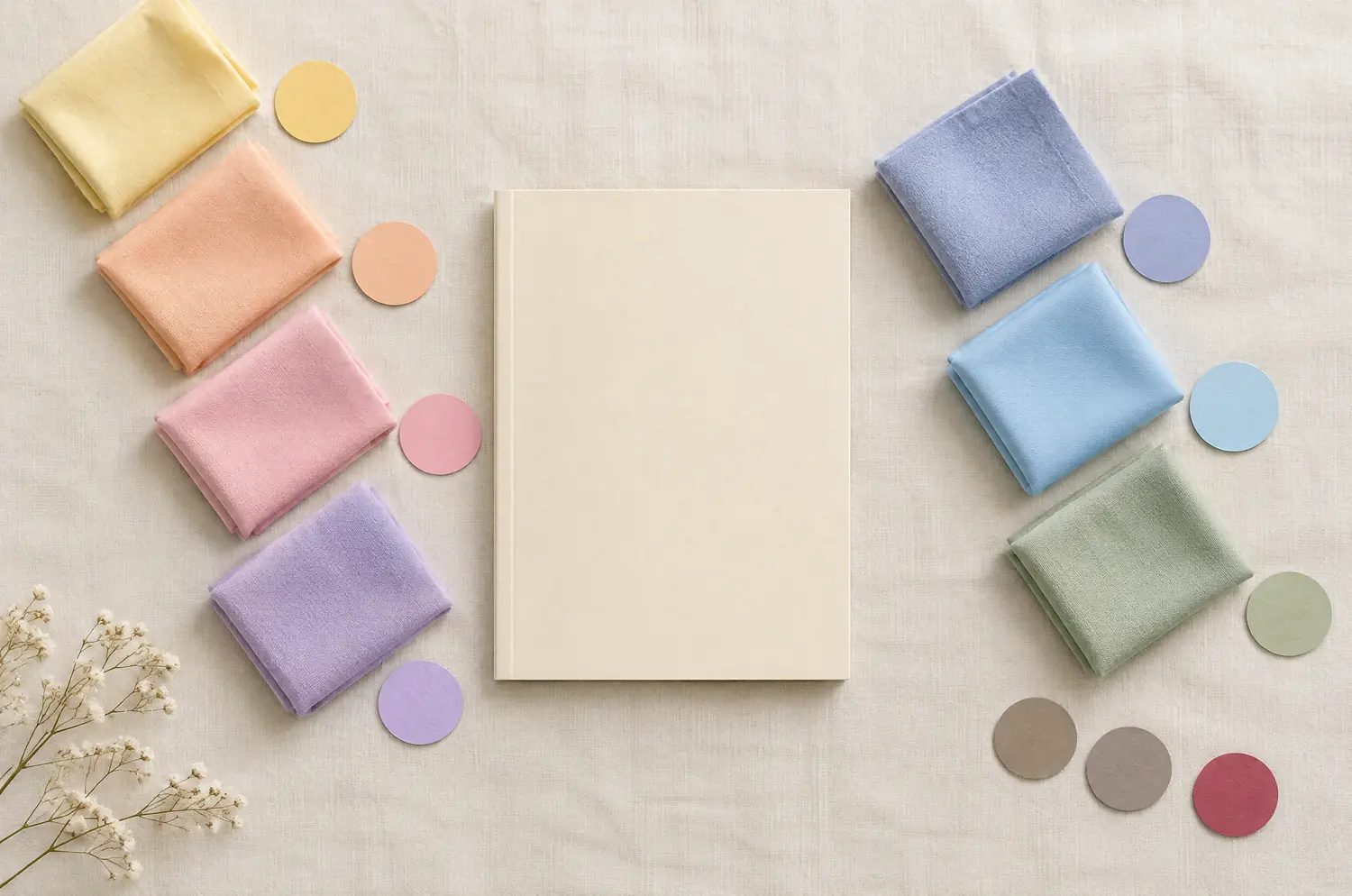
A closed cream booklet on linen, surrounded by fabric squares and paper chips in a pastel gradient

Free

Get Lisa’s color advice by email

New articles from Lisa, and a note when the PDF guides open.

Keep reading

Read next

Seasons mentioned in this article

Ready to find your colors?

Take the free quiz for a first hint of your season, then explore the 12 seasons to see your palette.

Free quizThe 12 seasons