Set up first. Sit by a window in daylight and take off your makeup.
Cover your hair with a neutral cloth so its color doesn’t tint your skin. Skip the yellow bulb: it warms everything, your skin included.
| Test |
The usual rule |
Where it fails |
| Veins |
Green veins mean warm, blue or purple mean cool |
Blue and green are hard to tell apart, and light changes what you see |
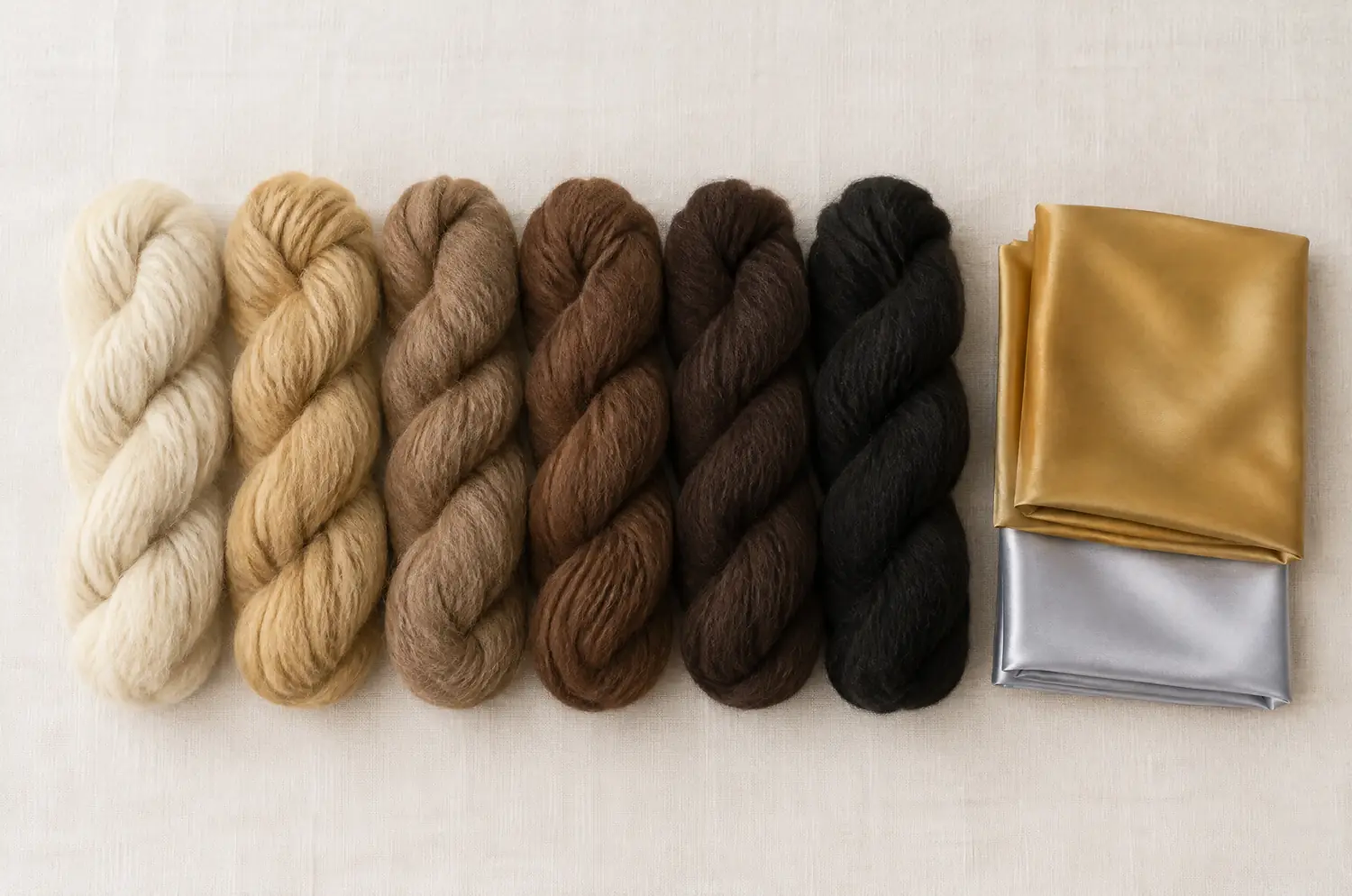
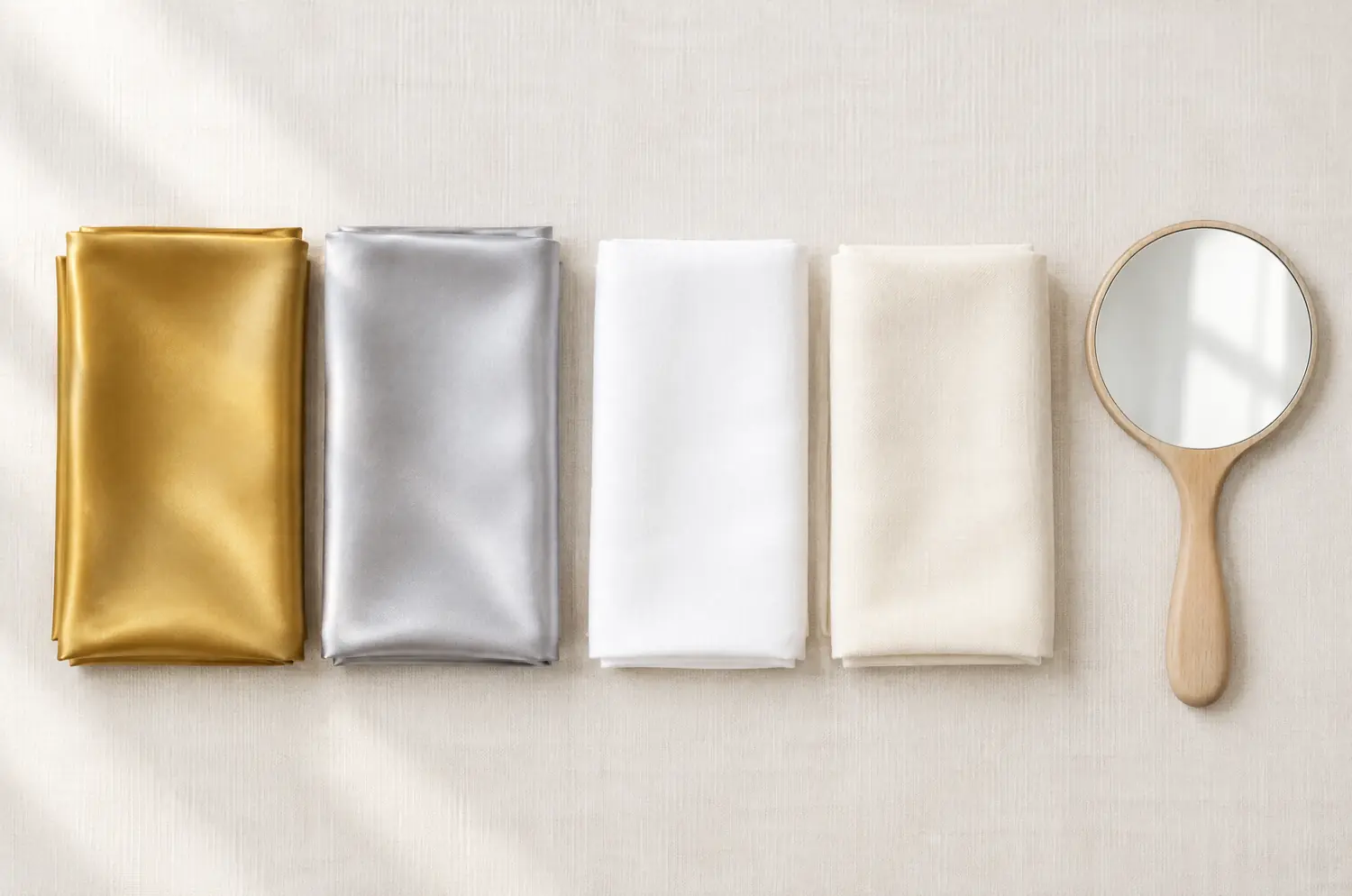
| Gold or silver |
Gold brightens you if warm, silver if cool |
Yellow, rose and white gold differ, and a bracelet on your wrist tells you nothing about your face |
| White or cream |
Cream softens you if warm, pure white wakes you if cool |
Your whites aren’t all the same, and a stark white can look harsh for other reasons |
| Two colors |
The one that smooths your skin shows your side |
A fabric that lights up your eyes can fool you |
| Sun |
Tans easily means warm, burns easily means cool |
It reflects sun exposure and sensitivity, and a tan changes surface tone, not undertone |
| Compliments |
The colors people praise are yours |
People react to taste, contrast and eye color too |
Two of these deserve more time.
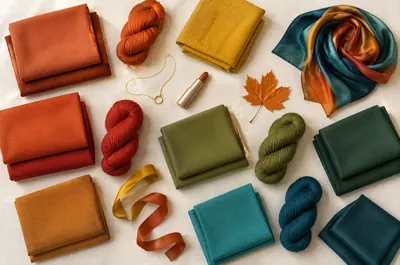
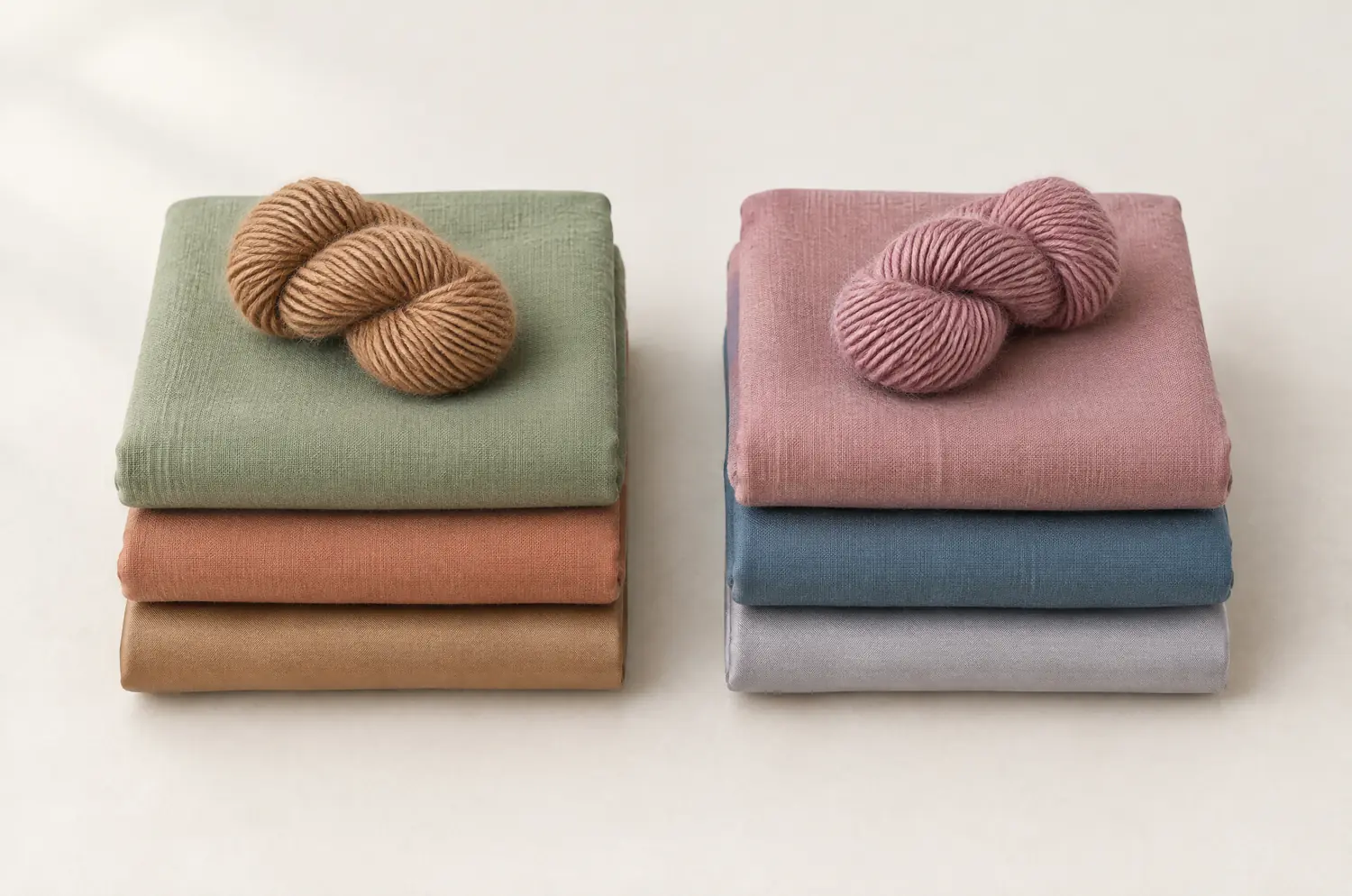
Holding two colors near your face is a home version of draping. Pick two plain, matte, fairly large fabrics, a coral and a raspberry.
Hold one under your chin, then the other. For a proper setup, color draping at home walks you through it.
Look at your skin, not the fabric. The right one evens out your complexion, softens the shadows under your eyes and gives your eyes some sparkle. The wrong one turns your skin yellow or gray, and you see the garment before you see the person.
Blue eyes are the classic trap. A blue top will light up your eyes without your undertone being cool.
The white and cream test works the same way. Hold a pure white, then a cream, and watch your skin.
Then repeat on another day, at another hour. If the same side keeps winning, you have a direction.