Hair Colors for Pale Skin: How Blond, Brown, Red and Black Read
Hair colors for pale skin depend on undertone and contrast more than on pale. Here is how blond, brown, black and red read on fair coloring, and how to test.
Pull your hair back off your face. Stand at a window.
Look at your cheeks, then at the skin around your nose. Is there pink in it? Yellow? Hardly any color at all?
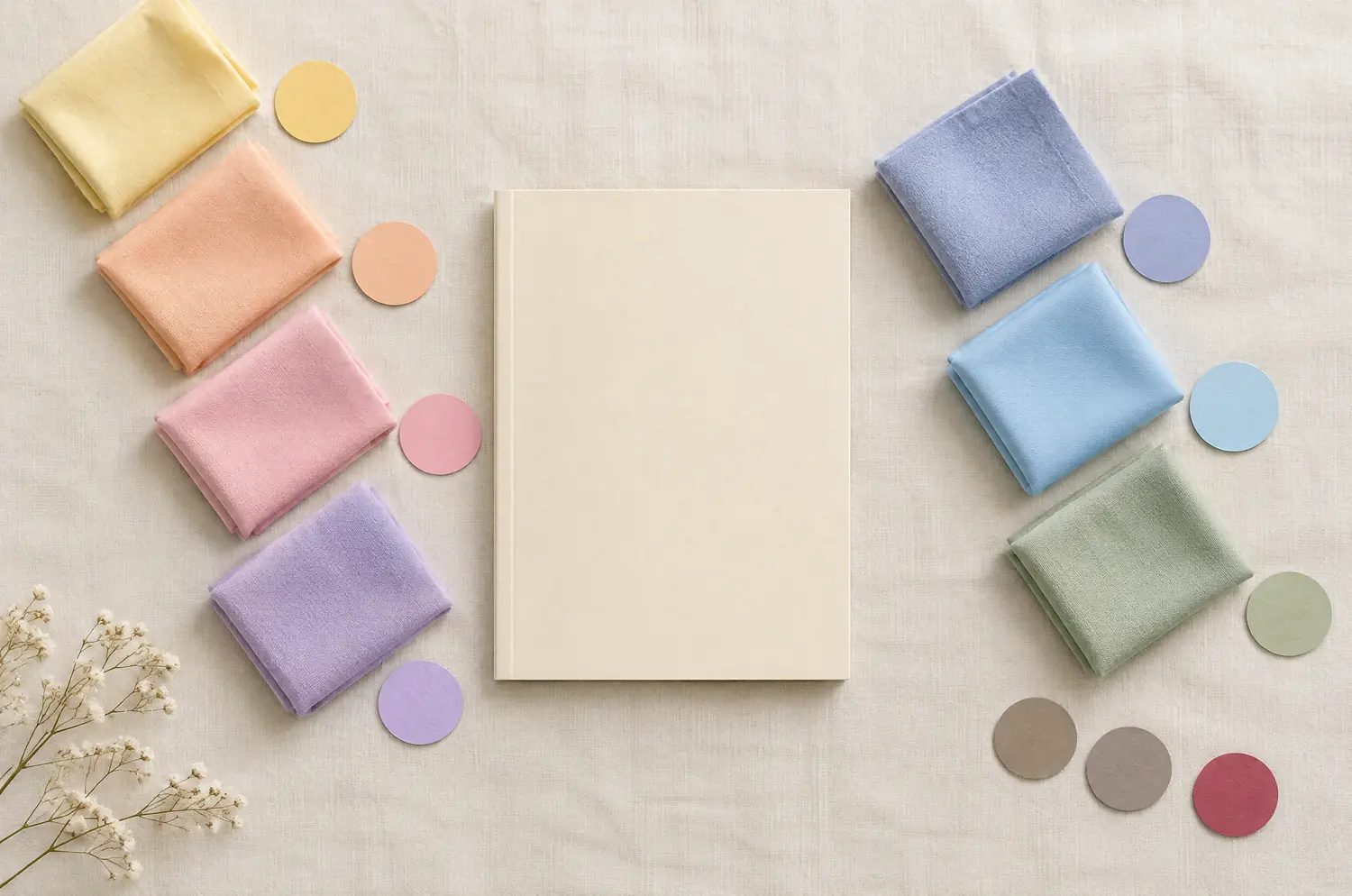
Now hold a scarf or a sweater in a shade close to the hair you’re considering up to one cheek. Leave the other cheek bare.
Compare them. Does the skin warm up? Go flat? Turn pink?
That took ten seconds. No dye. No appointment. And it tells you more than the word “pale” does.
You may have heard “fair, so go light” or “fair, so go dark for drama.” Neither one starts from your face.
Why doesn’t “pale” pick your hair color for you?
Pale describes how light your skin is. It says nothing about whether the color beneath it leans warm or cool.
Two people with the same fair skin can sit on opposite sides. One has a rosy, cool cast. The other has a peachy, golden one. A third lands in the middle, neutral.
That hue beneath your skin color is your undertone, and finding your undertone comes before any hair decision.
Then comes contrast: how far your hair and eyes sit from your skin. Pale skin turns up in all four seasons, so a shortcut like “fair means Summer” can’t hold. The rest of your wardrobe has its own page on colors for pale skin.
At the salon, the same two questions have other names. Tone is golden, ash or copper. Level is how light or dark. In color analysis, those are temperature and depth (also called lightness).
Which sub-seasons name which hair shade?
The hair lines on all twelve sub-season pages show how wide the range is. Here are the four families, split by the lean of the face they were written for.
Hair family
Warm and neutral-warm faces
Cool and neutral-cool faces
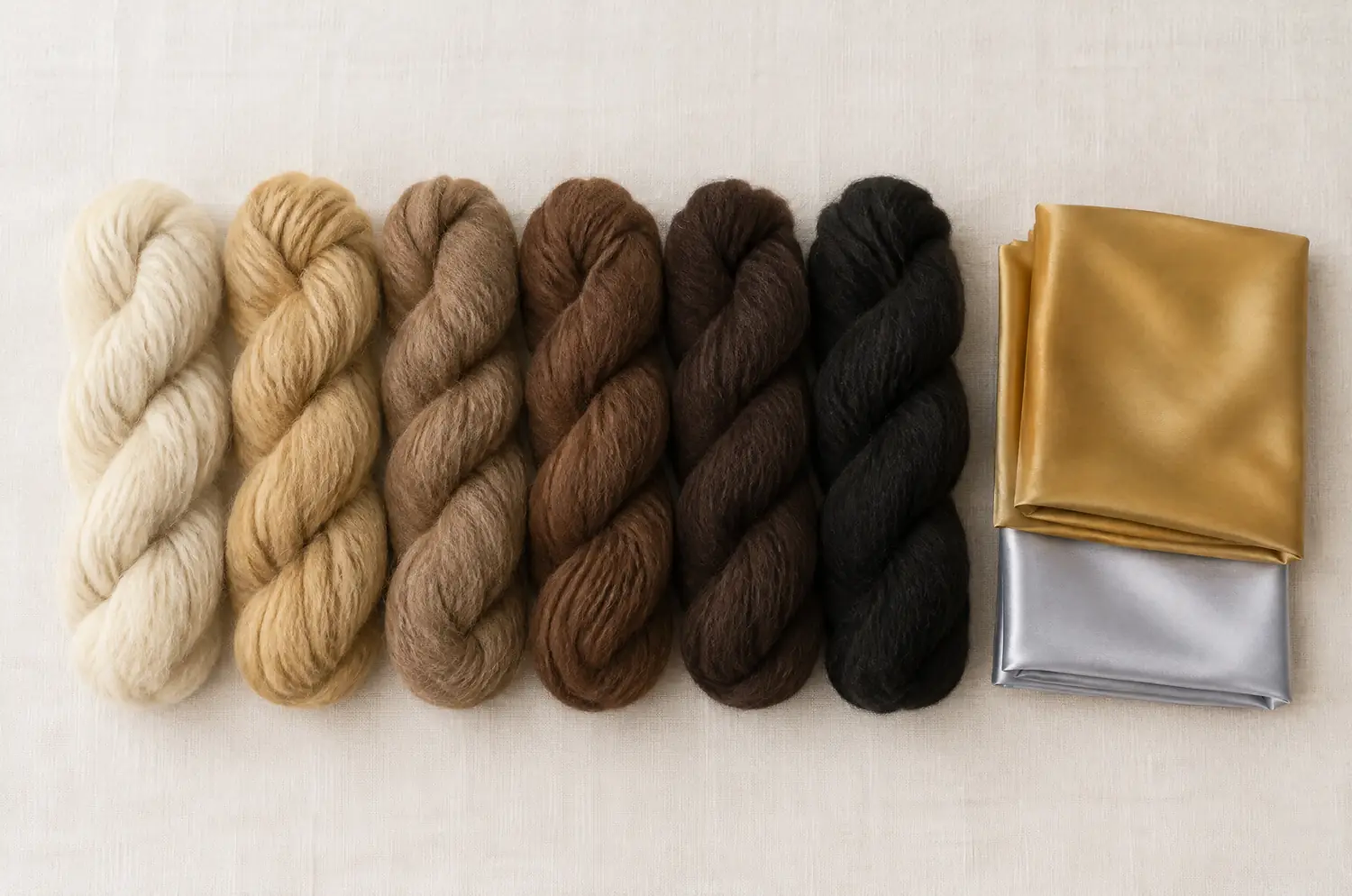
Blond
Golden blonde and honey (Light Spring); honey dark blonde (Soft Autumn)
Light ash and beige blonde (Light Summer); very light cool blonde (Bright Winter)
Brown
Golden light brown (Soft Autumn); golden brown (Warm Spring); chocolate (Deep Autumn)
Ash brown (Soft Summer); cool brown (True Winter and Bright Winter)
Black (Deep Winter, True Winter, Bright Winter); cool dark brown (Deep Winter)
Two sub-seasons can lean the same way and still differ. Light Summer and Soft Summer are both cool-leaning. One gets light ash blonde, the other ash brown with blended highlights. Depth and softness split them.
Which blond suits pale skin: golden, ash or something between?
Blond is where pale skin collects the most contradictory advice. Two very fair blondes can need opposite shades.
On the warm side, the lines name golden blonde, honey and light strawberry blonde. On the cool side, they name light ash, beige, and a very light blonde with crisp edges.
Same lightness on paper. Opposite tone. An ash blond can turn a golden face yellow or gray. Honey can turn up the pink on a rosy, cool one.
A very pale blond beside very pale skin also leaves little gap between them. Some faces love that softness. Others look faded, and want either a bit more depth or a cleaner, cooler blond. Your test tells you which kind you are.
In my view, tone matters more than level here. Ask yourself whether you need golden or ash before you ask how light.
How light or deep can brown go on pale skin?
Almost anywhere, as long as the tone is right. Brown is the widest family on the table.
It runs from golden light brown to chocolate on the warm side. On the cool side it runs from ash brown to a cool, dark brown. A pale face can carry any of those. The shade changes how much it reads.
Brown also sits between blond and black, so it adds contrast gently. A soft brown with very blended highlights suits a low-contrast face. A deep chocolate suits a face that already holds a wider gap between hair and skin.
If brown feels flat on you, look at the tone before the depth. A brown that’s too golden or too ash for your undertone looks heavy at any level.
What happens when black or very dark hair meets pale skin?
People call this picture high contrast. The gap between hair and skin gets wide, so the skin reads lighter beside it. Same skin, different frame.
Whether that looks crisp or stark depends on your face. Black appears in the hair lines for Deep Winter, True Winter and Bright Winter, all cool-leaning faces with strong contrast. Deep Winter’s line adds a warning: avoid golden or coppery tones.
A warm-leaning face takes dark hair differently. Deep Autumn names chocolate brown and dark brown with mahogany or coppery tones, and not a cool black.
Other faces go the other way. Light Spring’s line says to avoid very dark hair, and Light Summer and Soft Summer sit low in contrast, so a heavy dark shade can overpower them.
They sit close to the color already in your face. On skin that flushes easily, a strong copper or orange-red can turn the pink up. Orange brings out redness. That’s how the color works.
Not every face reads it that way. Light Spring gets light strawberry blonde, Warm Spring light copper, Warm Autumn red, coppery and auburn tones, and Deep Autumn deep auburn. On those faces, the warmth in the hair can feel matched by the warmth in the skin.
Cool-leaning faces tell a different story. Light Summer’s and Deep Winter’s lines both steer away from golden and coppery tones.
If your face runs pink and you’d like the pink calmer, hold a copper next to a softer, more blended brown and see which one makes the flush louder. No shade promises to change your skin. It changes what the eye notices first.
Test when your face is at rest. Right after a hot shower or a run, you can end up reading a flush, not your usual color.
Do blue eyes, or any eye color, choose your hair shade?
No. Eyes are one clue, and a loud one, because people look at them first.
Hair, skin and eyes come from systems that are partly independent. So blue eyes turn up with a rosy, cool face and with a peachy, golden one. They call for different hair.
The lines on the sub-season pages show it. A blue-eyed face with a golden cast might take honey or golden blonde, as in Light Spring. A cool, soft one might take light ash or beige blonde, as in Light Summer. A cool, crisp one might look best in a very light cool blonde, as in Bright Winter.
What the eyes do add is contrast. Bright, clear eyes against pale skin raise the gap. Veiled gray-blue eyes keep it low. That helps you decide how soft or crisp the hair should be, not whether it’s golden or ash.
The same goes for green, hazel and brown eyes. I’d rather you start from the skin and treat the eyes as a second opinion. There is more in hair color for your eye color, including what to do when eyes and skin seem to disagree.
How do you try a shade before you commit?
You can’t return a dye job. So test the color on your face first.
Tie your hair back and cover it with a plain cloth, so your skin is what you read.
Go to a window with plenty of daylight, with no makeup on.
Hold a strand swatch, a clip-in or a wig in the shade close to your face.
Compare two shades at a time: golden against ash, light against deep.
Watch your skin. A good shade evens it out and wakes up your eyes. A wrong one casts a shadow under your chin, brings out dark circles, or turns your skin gray or yellow.
Repeat on another day, at another hour.
Photos give a second look, but screens and lighting shift colors. Treat them as a rough guide.
Salon lighting can mislead too. A yellow bulb warms everything, your skin included. Ask to step to a window before you decide on a shade, and look at it beside your bare face, not beside the cape.
My advice: change the tone before you change the level. A shift in tone is the gentler move, and it tells you a lot about your direction. The logic for each family is laid out in hair color for your undertone.
When you talk to your colorist, say the temperature you want: golden or ash. Say what you refuse, such as an orange cast. Then show two or three photos.
If you love a shade that sits outside your direction, you can still have it. Your clothes and makeup can build the bridge.
Frequently asked questions
What hair color looks good on pale, cool-toned skin?
Start with the cool or ash versions: light ash or beige blond, ash brown, cool brown. Black is a possibility on a high-contrast face, if your test says so. Golden and coppery tones tend to fight a cool face. Depth then narrows the choice, soft and blended or deeper and crisper.
What hair color will make my face look less red?
No shade removes redness. What hair color changes is how much attention the redness gets.
Orange brings out redness, so a strong copper or orange-red can turn it up on a flushed face. Hold a warm sample and a cooler one near your bare cheek, and keep the one where the pink bothers you least.
Does dark hair make you look paler?
It can read that way. Dark hair widens the gap with your skin, so the skin looks lighter beside it. Your skin hasn’t changed, only the frame around it.
On a high-contrast face that looks crisp. On a soft one it can feel heavy, and a deep brown is the middle step.
What hair colors suit pale skin and blue eyes?
Blue eyes don’t choose the shade. Undertone and contrast do. A cool, soft face might test well with light ash blond. A warm, light one might do better with honey or golden brown. Which is yours depends on how your skin reacts, so hold both near your bare face and see.
Can gray or white hair work with pale skin?
It can. The hair lines for Cool Summer and True Winter both call gray or white hair naturally flattering. A warm-leaning face may find it harder. Hold a silver-gray fabric and a warm cream one near your bare cheek, and see which keeps your skin even.
What is the most flattering hair color for pale skin?
The one your skin accepts. Your complexion looks even, and your eyes look awake. Two fair faces rarely agree on the winner, so a swatch beside your bare face beats any list. Keep your own hair out of the way while you compare.
The next time you hold a shade against one bare cheek
Go back to that window after you’ve tried a shade. Look at the frame before the face. Does the color sit quietly around your skin, or does it speak first?
Can’t tell which side you lean toward? Start with the free color analysis quiz. In about two minutes it points to your likely season, with a hint of your sub-season, and sends you to the page with its hair shades. Bring those to your colorist.
The final say is yours. I only want you to make it with your eyes open.