Free: the color analysis quiz. Find your season in 2 minutes →Free quiz: your season in 2 minutes →

Which Hair Color Suits Your Undertone? Warm, Cool and Neutral

Hair color for a warm skin undertone, plus cool and neutral. See which golden, ash and in-between shades flatter you, and what to say to your colorist.

Lisa Routa, color analyst

By Lisa RoutaPublished · 10 min read

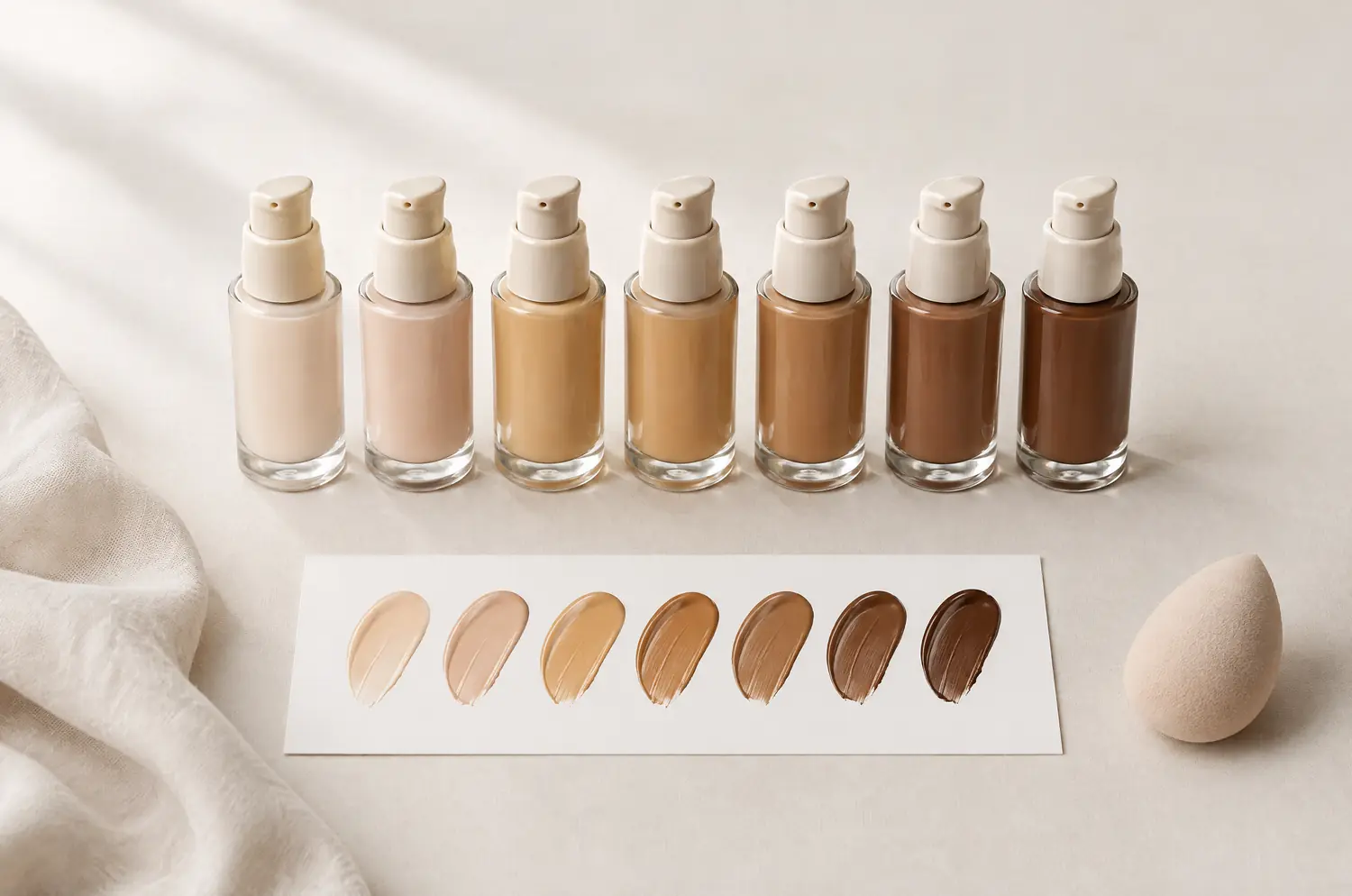
Foundation bottles from the lightest to the deepest shade, with their swatch tests
On this page9 sections
  1. What makes a hair shade warm, cool or neutral?
  2. Which shades suit a warm undertone?
  3. What does cool-toned hair look like, and is cool-toned brown real?
  4. What do you do when neither side wins?
  5. Brown, blond, red or black: does the logic hold in every family?
  6. When does your season change the answer?
  7. What should you tell your colorist?
  8. Common questions
  9. Hold a honey fabric and an ash gray one under your chin

“Which hair color goes with my undertone?”

You typed something like that. And you hoped for one line: warm skin, golden hair. Cool skin, ash.

That line isn’t wrong.

It’s short.

It’s also incomplete.

Undertone tells you which way to lean. It says nothing about how light, how soft or how bold to go. Two people with the same warm undertone can need a honey blonde and a deep auburn.

So here is the longer answer, with real shade names and the words to use in the salon.

What makes a hair shade warm, cool or neutral?

Start with your skin. Your undertone is the golden, pink or neutral base beneath its surface, the part that stays when a tan fades or your cheeks flush. It isn’t your skin tone, the lightness or depth of your skin. If you haven’t pinned yours down yet, find your undertone first.

Hair has an undertone of its own. Gold, honey, copper and red glints read warm. Ash, the gray-beige cast of a cooled blond or brown, reads cool. A shade that shows neither one clearly sits in the middle.

Colorists use two words for this. Level is how light or dark a shade is. Tone is the color family it leans toward.

In color analysis, level is your depth (also called lightness) and tone is your temperature, warm or cool. A golden blonde and an ash blonde can share a level and have opposite tones. That’s why two blondes can need two different blondes.

Why does it matter? Hair frames your face and reflects its color onto your skin. Gold throws warmth onto it. Ash throws coolness.

When the tone agrees with your base, your skin looks even and your eyes look awake. When it pulls against your base, you may see yellow or gray skin and a shadow under the eyes.

In my view, a hair shade isn’t warm or cool in the abstract. It’s warm or cool next to your face.

Which shades suit a warm undertone?

Warm means your skin leans golden, yellow or peach. The shades that suit it repeat that gold instead of fighting it: golden blonde, honey, golden brown, light copper, auburn.

But warm covers several sub-seasons, and each one wants a different depth. Here are three that lean warm, from slightly warm to very warm:

  • Light Spring (slightly warm): golden blondes, honey, light strawberry blonde
  • Warm Spring (very warm): golden blonde, honey, light copper, golden brown
  • Warm Autumn (very warm): red, coppery tones, auburn, golden brown, dark honey

Look at the gap between the first and the last. Both lean warm. One is light and delicate, the other rich and deep.

Put the copper of a Warm Autumn on a Light Spring and the shade is too heavy for the face. Put a very pale honey on a Warm Autumn and it floats.

Warm doesn’t mean loud, either. For a Warm Spring the rule is simple: keep the warm tones, always. For a Soft Autumn, covered below, the warmth is quieter.

The family to handle with care is ash. The Light Spring and Bright Spring notes both steer away from ashy effects, and a gray-beige cast on a golden face can read flat.

Your own tones also show how warm you are. Golden glints in your natural hair are a clue about your coloring. They aren’t a verdict.

What does cool-toned hair look like, and is cool-toned brown real?

Yes, cool-toned brown is real. It’s brown with the gold and red kept quiet. What you see is a neutral or slightly ashy brown instead of a chestnut or a copper-leaning one.

It comes in two moods, and the difference is clarity (also called intensity), meaning how soft or crisp a color looks.

The soft mood belongs to Soft Summer: ash brown, ash dark blonde and soft brown, with very blended highlights rather than strong contrasts. The crisp mood belongs to the Winters. True Winter wears black, cool brown and ashy dark brown. Bright Winter wears cool brown, black or a very light cool blonde, all shiny and clear.

The rest of the cool side looks like this:

  • Light Summer: light ash blonde, beige blonde, cool light brown
  • Cool Summer: ash blonde, ash brown, cool brown
  • Deep Winter: cool dark brown, black, very dark brown

Same cool tone, different clarity. A blended ash brown tends to lose its softness on a Bright Winter, who wants shine and definition. A crisp cool brown can look hard on a Soft Summer.

Gray or white hair has a place here too. Cool Summer and True Winter both wear it naturally, with no dye needed.

On the cool side, gold and copper are the shades to be careful with. The Light Summer and Deep Winter notes both steer away from them, because they can pull a cool face toward yellow.

If you search for cool tone hair color, this is the picture: ash for the lighter faces, cool brown and black for the deeper ones.


What do you do when neither side wins?

Neutral means neither side wins clearly. A coral and a cool pink both look fine on you, or both look a little off. Neutral-warm and neutral-cool are the in-between readings.

Olive adds a green-gold cast that doesn’t sort neatly into warm or cool. The page on olive skin tone colors explains how to read it. If your own tests contradict each other, why undertone tests disagree will tell you what to do next.

Neutral doesn’t mean no direction. It means a small one. And that’s where depth and softness take over. Look at three pairs of neighbors:

Pair Neutral-warm Neutral-cool
Soft Soft Autumn: golden light brown, honey dark blonde, melted caramel Soft Summer: ash brown, ash dark blonde, soft brown
Deep Deep Autumn: chocolate brown, dark brown with mahogany or coppery tones, deep auburn Deep Winter: cool dark brown, black, very dark brown
Bright Bright Spring: clear golden blonde, bright warm brown, brown with golden tones Bright Winter: cool brown, black, very light cool blonde

Read across each row. The depth and the clarity stay put, soft, deep or bright. Only the lean changes. A Soft Autumn keeps a warmth that is never fiery. A Soft Summer keeps blended highlights and no strong contrast.

If you land in one of these rows, the shades at the very edges are the ones to test first. A very golden shade or a very ashy one asks your face to pick a side. The in-between shades ask less.

For the Autumn rows in full, see Autumn hair colors. For the Summer ones, see Summer hair colors.

Brown, blond, red or black: does the logic hold in every family?

It holds. Only the vocabulary changes. Here is the same warm and cool split, family by family, using only the shades from the sub-season pages:

Family Leaning warm Leaning cool
Blond Golden blonde, honey, light strawberry blonde Light ash blonde, beige blonde, ash dark blonde
Brown Golden brown, chocolate brown Ash brown, cool brown, soft brown
Red Light copper, auburn, deep auburn No red listed on the cool pages
Very dark Dark brown with mahogany or coppery tones Black, very dark brown

Blond is where tone is easiest to see. Light hair sits close to your face and shows its undertone first, so a blond choice deserves the most careful look.

Brown has the widest range. It runs from golden brown on one end to ash brown on the other, with chocolate and cool dark browns in between. Pick the tone first, then the level.

Red lives on the warm side in these palettes. You find strawberry blonde at the light end, copper and auburn in the middle, deep auburn at the dark end. That doesn’t make every redhead an Autumn. Hair color is one clue, and I come back to it below.

Black appears on the Winter lists: Deep Winter, True Winter and Bright Winter. Deep Winter and Bright Winter run neutral to cool, not fully cool. If you lean neutral to warm and love dark hair, the Deep Autumn shades (chocolate brown, or dark brown with mahogany or coppery tones) are worth testing. The choice stays yours.

When does your season change the answer?

Undertone is one of three signs. The other two are depth (the lightness of your coloring) and clarity (soft or bright). Contrast, the distance between hair, eyes and skin, adds a hint but never decides alone.

That’s why two warm faces can need different hair. The warm tone is the same. The depth and the contrast aren’t.

Contrast also explains why a big jump in level changes more than the color. Go much darker and you widen the gap between hair and skin. Go much lighter and you narrow it. On a low-contrast face that can feel heavy, which is why the Light Spring notes steer away from very dark colors.

Your natural color is where your hair started. It isn’t your season. A brunette can be a Spring and a blonde can be a Winter, as the guide on natural hair color and your season explains. What decides is how your skin responds to colors held near your bare face, with your hair covered.

To see which shades belong to you, open the twelve sub-season pages. Each has a hair section next to the palette.

You can also go against your palette on purpose, if the shade serves what you want from your look. If you do, bring the missing warmth or coolness back with the clothes and makeup near your face.

What should you tell your colorist?

Changing your hair color goes through a colorist. A fabric or a swatch near your face can preview a direction, but your starting color and any earlier dye decide how far one visit can go. Your colorist knows how to make the shade. You tell them where you want to land.

Give them words they can use:

  • Name the tone: “golden,” “ash” or “neutral,” not just “prettier.”
  • Name the level: “one shade lighter” or “two shades darker.”
  • Name what you refuse: “no orange,” “nothing gray.”
  • Bring three photos you like and one you don’t, and say what you’re looking at, the tone or the depth.
  • Ask how the shade will read in daylight, not under salon lights.

My advice: if you hesitate, move the tone and keep your level. It’s a smaller step than jumping three shades lighter, and it shows you quickly whether the direction suits you.

Screens and filters bend color, so use them for ideas and not for decisions. A photo of a shade on someone else’s face tells you about her coloring, not yours.

Common questions

Which hair colors suit warm skin tones?

Choose shades that echo the gold under your skin: honey, caramel, golden brown, copper, auburn. Undertone sets the family. Your depth sets the level, so a delicate face wants the lighter end and a deeper face the richer one. Hold a golden fabric under your bare chin to confirm the direction before you book.

Which hair color flatters cool-toned skin?

Look for shades with no gold in them, the gray-beige or smoky end of blond and brown. How light you go follows your depth and contrast: soft faces like blended results, crisp faces like definition. Test an ash fabric near your bare face first, because a warm glint can turn skin sallow.

Does cool-toned brown exist?

Yes. It’s brown with the gold and red turned down, so it reads smoky or neutral instead of chestnut. Soft Summer and Cool Summer wear the gentler versions, True Winter the crisper ones. Check it in daylight against your bare face before you commit.

How do I tell if my hair is cool or warm toned?

Daylight gives a first look: golden, honey or red glints lean warm, a flat gray-beige or silvery cast leans cool. That only describes the hair. For your face, cover your hair and hold a golden and an ash fabric under your chin. Whichever one rests your eyes tells you more. If your hair is dyed, the roots show what it does undyed.

Which hair color complements a yellow undertone?

A yellow undertone leans warm, so golden brown, honey blonde, caramel and soft copper repeat what your skin already does. Strong ash tends to look gray next to it. If your skin also has a green-gold cast, you may be olive or neutral, so test a golden and an ash shade before committing.

Which hair color suits a neutral undertone?

You can go either way, so let your depth and softness decide. Blended shades such as golden light brown or ash dark blonde ask for less than the extremes. Compare a golden and an ash swatch near your bare face. If both look fine, pick the one that matches your depth.

Hold a honey fabric and an ash gray one under your chin

Find two fabrics, one honey or golden and one ash gray. Pull your hair back and wrap it in a plain cloth. Take off your makeup and hold each fabric under your chin for a minute, in daylight.

Watch your eyes and the skin around them. One fabric will make your face look rested. The other will make it look tired.

Then try the free color analysis quiz: ten questions, no sign-up. Its answer is a starting point for the conversation with your colorist, and your fabric test adds what the quiz can’t see.

With all my heart and passion, Lisa

Free quizWhat’s your color season?10 questions, no sign-upTake the quiz

Go further

A closed cream booklet on linen, surrounded by fabric squares and paper chips in a pastel gradientPDF guides by sub-seasonOne guide for each of the 12 sub-seasons: palette, outfits, makeup and hair.Coming soon
A closed cream booklet on linen, surrounded by fabric squares and paper chips in a pastel gradient

Free

Get Lisa’s color advice by email

New articles from Lisa, and a note when the PDF guides open.

Keep reading

Read next

Seasons mentioned in this article

Ready to find your colors?

Take the free quiz for a first hint of your season, then explore the 12 seasons to see your palette.

Free quizThe 12 seasons