Hair Color for Tan, Brown and Deep Skin: Start With Undertone
Hair color for brown skin starts with undertone, not depth. See how black, brown, caramel and blond read on tan to deep skin, and what to tell your colorist.
You probably expect a shade. Black, maybe. Or a warm caramel, because that’s what the lists say.
The honest answer is less simple. It’s also more useful.
Tan, brown and deep tell you how much color your skin carries. They don’t tell you which way that color leans. And the lean is what picks the hair.
Two people with the same depth can need opposite browns. One glows in dark honey. The other looks tired in it.
Why isn’t depth enough to choose a shade?
Because depth only measures how much. Depth (also called lightness) means how light or dark your skin sits. Tan sits in the middle, brown goes deeper, deep goes deeper still. Useful words, but incomplete ones.
The missing piece is undertone, the color that sits beneath the surface of your skin. Golden or peachy on the warm side. Rosy or bluish on the cool side. Neutral in between, and olive when the cast is green or gray.
Every skin tone shows up in all four seasons. So deep skin can lean warm, cool or neutral, and so can tan and brown skin. Describe skin by depth and undertone, not by origin. Origin tells you nothing about what a shade does near your face.
“Tan” has two meanings. It can be your skin tone all year, or a summer tan that fades. A tan deepens your skin; the lean underneath is generally considered much steadier. For the clothing side, colors for tan skin explains why undertone matters more than the tan itself.
Depth still counts, just second. First you choose a direction: golden, neutral or ash. Then you choose how dark.
How do you read your undertone before you choose?
Don’t lean on your wrist. Veins are often hard to see on deeper skin, and their blue and green shades blur together on any skin. If you want the full list of home tests and where each one fails, warm vs cool undertone walks through them.
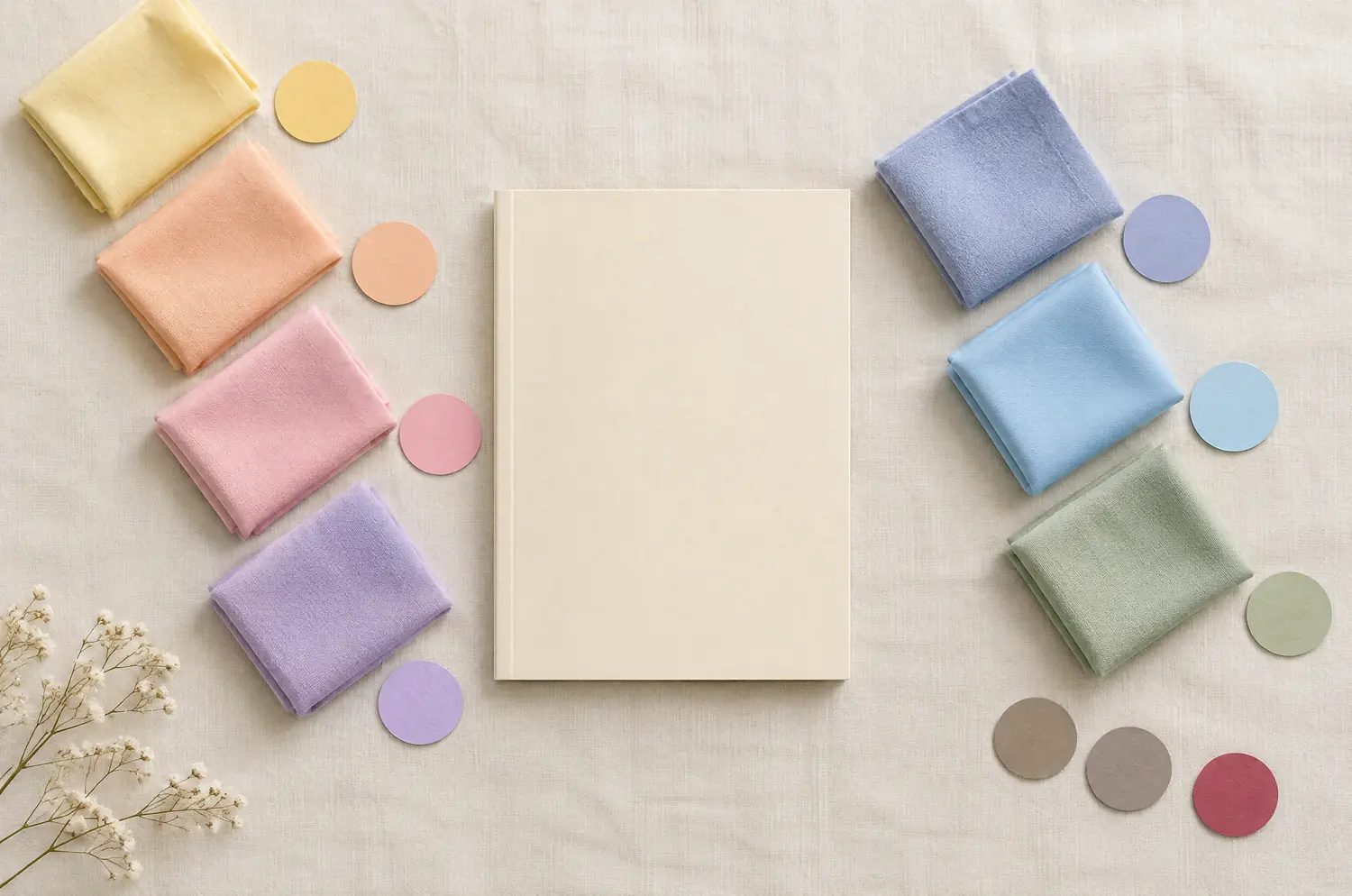
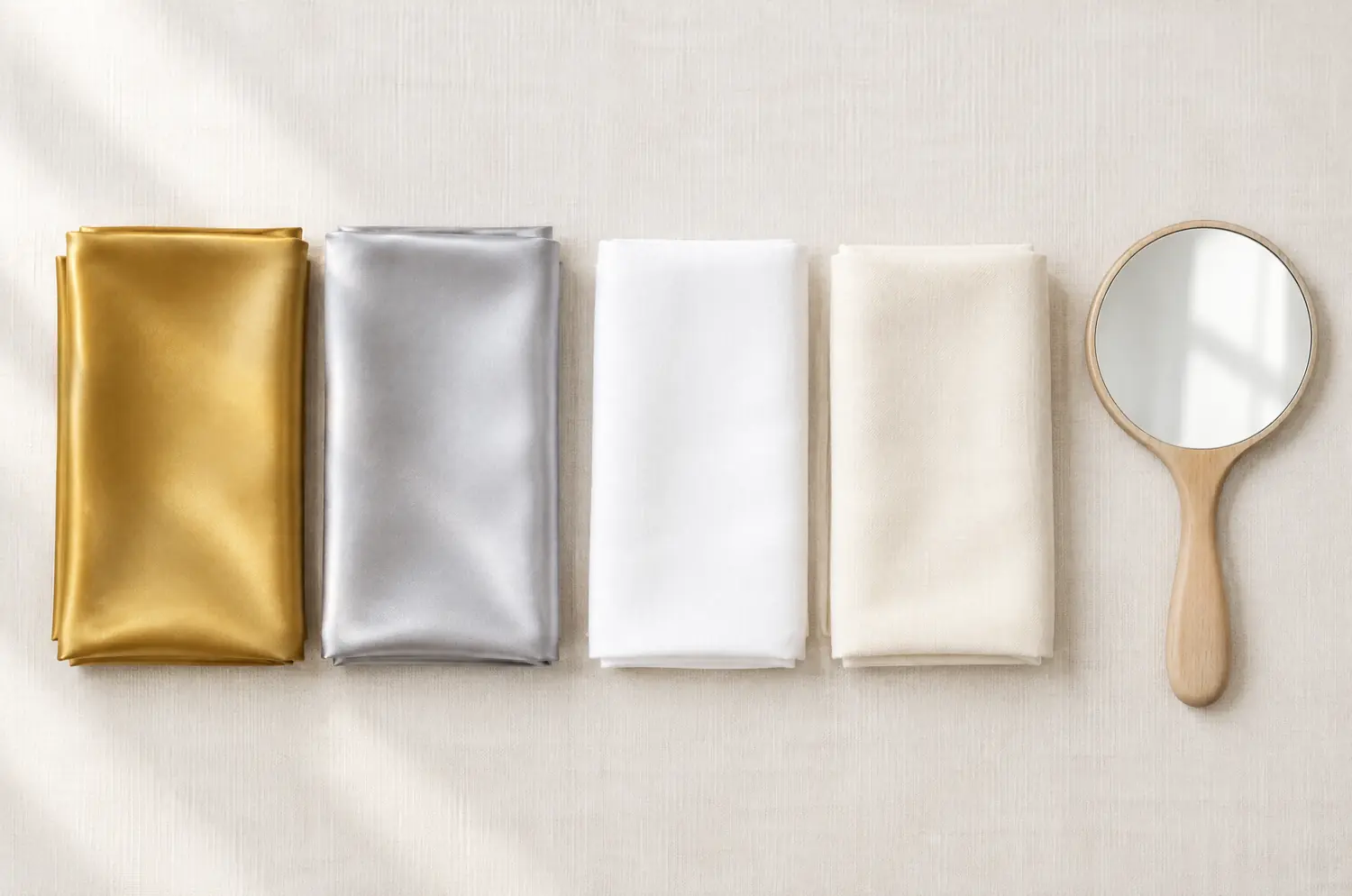
Use fabric instead. Face a window in daylight, bare-faced, with a plain scarf tied over your hair. Then your skin is the only thing you read.
Hold a warm coral under your chin, then a cool raspberry. Give each one a few seconds.
When a color suits you, your skin looks even and your eyes brighten. When it doesn’t, the skin turns gray or yellow and a shadow settles under the chin. You notice the fabric before you notice the face.
When one side keeps coming out ahead, that is your lean. If both look good, you may be neutral. If neither side is clear and you see a green or gray cast, you may be olive. Skin undertone shows what each one looks like.
One caution. A phone adjusts its exposure on its own, and deep skin can come out lighter, darker, grayer or yellower from one photo to the next. Judge in the mirror, not on the screen.
Where do black and very dark brown work, and where do they flatten?
Black is a real option. Nobody is banned from it.
It tends to work when your lean is cool. The hair advice for Deep Winter lists black and cool dark brown, and True Winter lists black and ashy dark brown. Next to golden tones, black reads cooler, so it often sits well with a cool lean.
On a warm or neutral-warm lean, black can look flat. It sits against golden skin like a hole. A dark chocolate brown gives you the same depth with some warmth in it. A dark brown with mahogany or coppery tones goes one step further.
In my view, depth is the easy decision here. Direction is the one that shows.
Very deep skin with very dark hair also deserves a second look at the whole face. The gap between the two can be small, which makes a soft frame rather than a stark one. If you like that softness, keep it. If you want more definition, the next sections give you ways to add it.
How do caramel, copper and mahogany sit on brown skin?
They belong to the warm side of the map, and each one asks for a different amount of warmth.
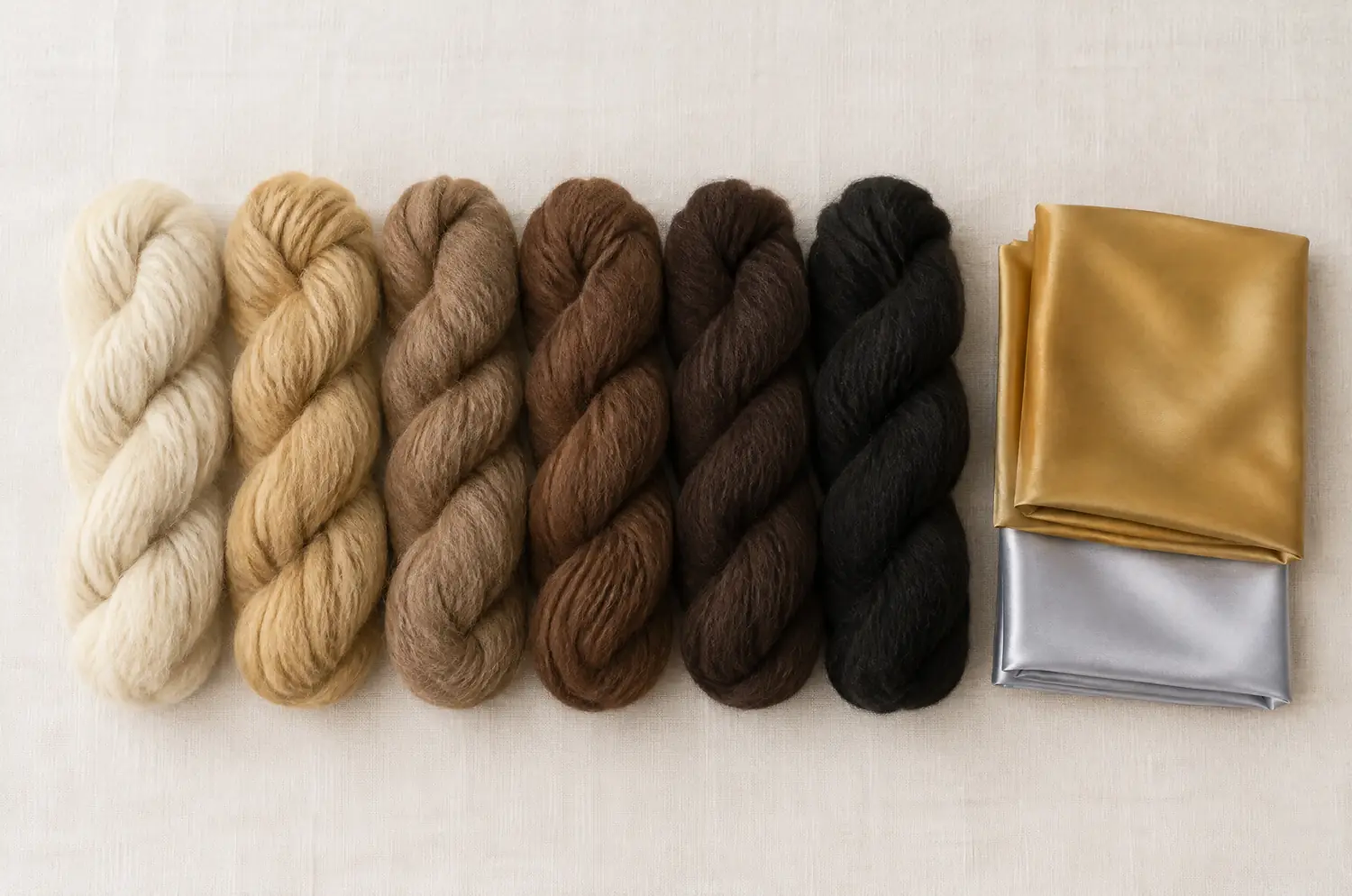
Caramel is the gentle one. A melted caramel stays close to brown and adds gold without fire.
Auburn and dark honey carry more color. Mahogany adds a red-brown depth that suits deeper hair levels.
A light copper is the boldest of the group, so check how much red your face can carry.
Cool and ashy browns sit across the table. A cool brown or an ashy dark brown has no gold in it. On a cool lean it looks clean. On a warm lean it can look gray.
The table sorts by lean, not by depth. Depth is your second step, and each lean appears on tan, brown and deep skin.
Your lean
Sub-season examples
Hair shades in their palettes
Shades to question
Warm
Warm Autumn, Warm Spring
Auburn, golden brown, dark honey
Ash tones
Neutral-warm
Deep Autumn
Chocolate brown, mahogany tones, deep auburn
Ashy or icy tones
Neutral-cool
Deep Winter, Soft Summer
Deep Winter: cool dark brown, black. Soft Summer: ash brown
Golden or coppery tones
Cool
True Winter, Cool Summer
Black, cool brown, ashy dark brown
Golden, honey or copper
A word on names. “Caramel” at one salon is golden, and at another it’s closer to beige. Ask for the temperature, not just the name. My advice: say “golden,” “neutral” or “ash” out loud, and let the colorist match it.
The sub-season pages list the full hair advice. Browse all twelve sub-seasons once you know your lean.
Can brown and deep skin wear blond hair?
Yes.
No permission needed. No rule to lift.
What you need is the right shade.
Blond is not one color. It’s a family, and the question is which member. A honey dark blonde is soft and golden. A clear golden blonde is crisp and bright. An ash blonde is cool and quiet. A very light cool blonde is the sharpest of the four.
On a warm lean, honey and golden blondes sit comfortably. On a cool lean, ash tones and the very light cool blonde look cleaner. Put a golden blond on a cool lean and the skin can turn yellow. Put an ash blond on a warm lean and the skin can turn gray.
The other question is the gap. A blond far lighter than your skin and eyes adds a lot of contrast. A honey dark blonde, closer to your coloring, keeps the face calm.
Highlights follow the same logic. Blended highlights in caramel or honey soften a dark base. A bold contrast of light strands on dark hair is a louder choice, and it can be a good one. Just choose it on purpose.
How far from your skin should your hair go?
That’s contrast: how far apart hair, eyes and skin sit, from close (low) to far (high). High, medium or low contrast shows how to read yours.
Read all three, not just the hair. Deep brown skin, dark brown eyes and black hair do not automatically make a high-contrast face. The three can sit close together, and the effect is soft and rich.
When you change your hair, you change the gap. Go lighter and it widens. Go deeper and it narrows.
Some faces carry a wide gap with ease. For others it overwhelms the face. Others look flat when everything sits at the same depth.
The answer is not about right or wrong. Sometimes the right shade is the one that serves your goal. If a new role calls for a sharper look, a wider gap is a legitimate choice. If you want a calm, blended look, stay near your coloring.
My advice: decide the effect first, then the shade. “I want to look polished” leads somewhere different from “I want to look relaxed.”
Which words will your colorist understand?
A colorist can mix almost any shade. What they can’t know is the picture in your head. Give them words:
Name the temperature: golden, neutral or ash.
Say how deep: a shade lighter than now, or two shades deeper.
Name what you refuse: no orange cast, no gray cast.
Bring photos of hair you like and say what you’re looking at, the warmth, the depth or the gap with the skin.
Choose photos of hair with a texture like yours, so the shade reads the way it will on you.
Ask how the shade will look in daylight, not only under salon lights.
Ask for a lock or a swatch you can hold at your hairline.
You don’t need to name a formula. You need to say where you want to land.
If you’d like a deeper read on warm, cool and neutral families across every depth, hair color for your undertone goes shade by shade. And if you’re comparing a shade with the rest of your palette, the page for your sub-season has its hair advice.
Questions people ask
What hair color suits brown skin?
It depends on the lean of your undertone, more than on the depth. Warm-leaning brown skin often does well with golden brown, dark honey or auburn. Cool-leaning brown skin often does well with cool dark brown, black or ashy dark brown. Neutral skin sits between the two, so compare a warm and a cool fabric near your bare face first.
Does tan skin look better with dark or light hair?
Neither wins on its own. Tan skin can carry a deep chocolate brown or a honey blonde. What decides is the undertone and how far the hair sits from your skin and eyes. A shade close to your coloring frames you softly. A shade far from it adds contrast. Pick the effect you want.
What hair color suits dark skin with a cool undertone?
Cool dark brown, black and ashy dark brown tend to sit well, because they share the cool lean. Strong gold or copper can push the skin toward yellow, so test them first. If you want something lighter, an ash-leaning brown is a gentler step than a bright gold.
Can brown skin wear blond hair?
Yes, and the real question is which blond. Honey or golden shades suit a warm lean. Ash or very light cool shades suit a cool lean. Also weigh the distance from your own coloring. The farther the blond sits from your skin and eyes, the louder the look, so choose the volume you want.
What hair colors should you avoid with tan skin?
No shade is wrong for every tan face. What tends to fight you is the opposite of your undertone. Ash on a warm lean can look gray, and strong gold on a cool lean can turn the skin yellow. Hold both sides near your bare face and see which one flattens you.
Try a warm brown against a cool one before you book
Find two scarves or T-shirts you already own. One warm chocolate brown, one cool charcoal.
Tie the first over your hair and watch what your face does. Then the second. Does your skin look rested or drained? Do your eyes brighten or go dull?
Give it a second try on another day, and judge for yourself.
Then answer the ten-question color analysis quiz. It’s free, takes about two minutes and needs no sign-up, and it points you to your likely season and the page that lists its hair shades.