Free: the color analysis quiz. Find your season in 2 minutes →Free quiz: your season in 2 minutes →

Makeup for Your Undertone: Lips, Blush and Eyes

Makeup for cool undertone, warm or neutral: which lip, blush and eye shades work, and why undertone is only the first of three signs to check on your face.

Lisa Routa, color analyst

By Lisa RoutaPublished · 8 min read

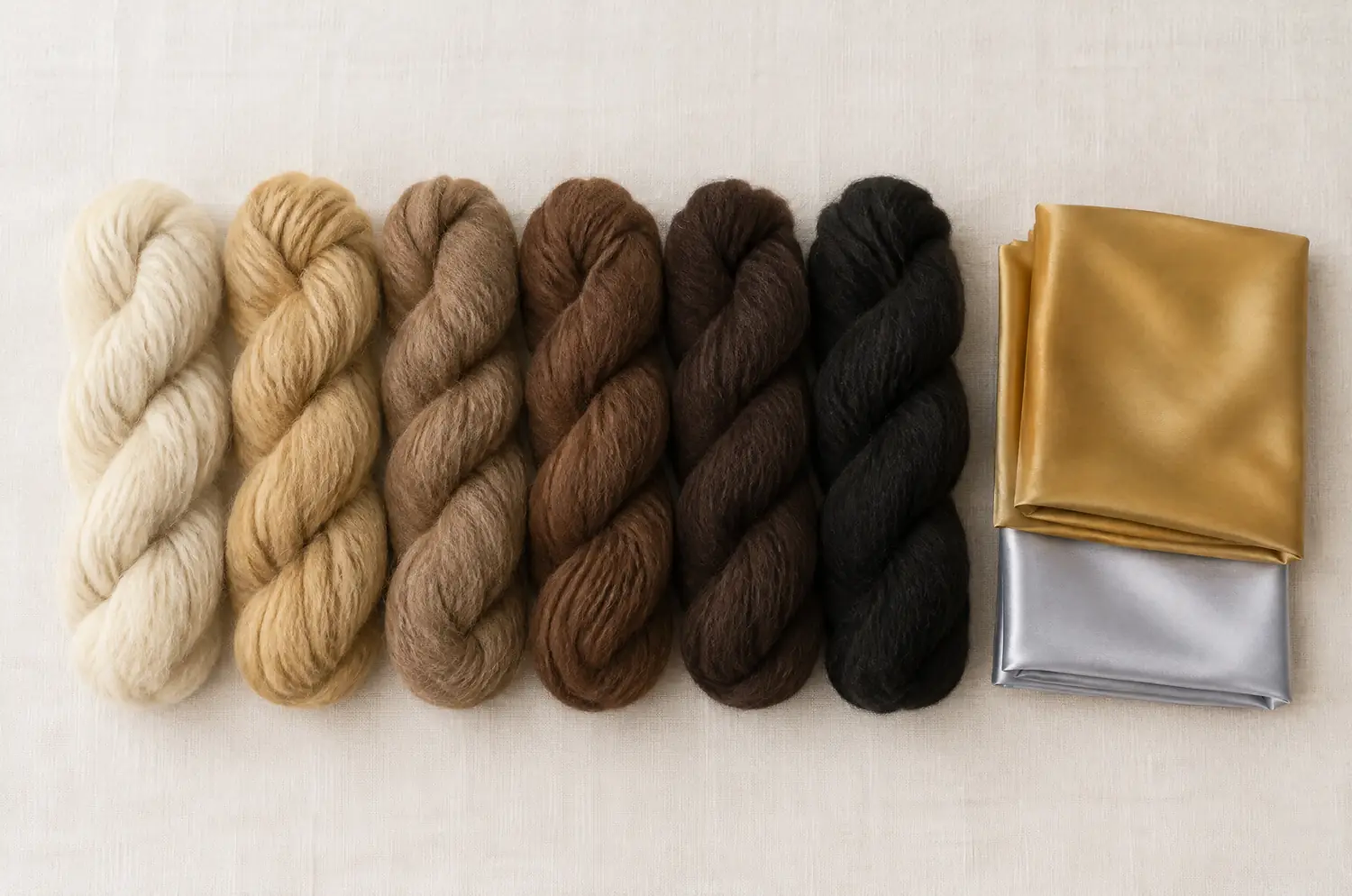
Six skeins of wool from platinum blond to black, next to a gold satin fabric and a silver satin fabric
On this page9 sections
  1. What does your undertone decide, and what does it leave open?
  2. What suits a cool undertone on lips, cheeks and eyes?
  3. What suits a warm undertone?
  4. What do you do with a neutral undertone?
  5. How do depth and softness change the same temperature?
  6. Which should you test first: cheeks, lips or eyes?
  7. When does your season give a sharper answer than your undertone?
  8. Questions people ask
  9. Which blush will you test against its opposite?

You’re in a drugstore aisle, a lipstick tester on the back of your hand.

On your skin it looks great. A deep berry.

At home, you put it on your mouth. Your face turns a little gray, and you see the lipstick first.

Same shade, same you, different result.

Your taste wasn’t the problem. Often the shade sits on the wrong side of the temperature line.

What does your undertone decide, and what does it leave open?

Undertone is the hue that sits beneath your skin’s surface. It stays put while a tan or a flush comes and goes. It’s warm, cool or neutral, and sometimes olive.

It has nothing to do with how light or deep your skin is. Skin of the same depth can carry opposite undertones.

If you haven’t pinned yours down, start with how to find your undertone. Then read why the usual tests disagree.

Makeup is color placed directly on your face. Your skin takes it in and gives it back. A lipstick works like a scarf under your chin, only closer.

Undertone settles one question: does the shade lean golden or blue? It doesn’t settle how deep, how soft or how strong. Two cool faces can need very different mouths.

I’ll leave foundation out of this one. It has its own article on matching a base to your undertone. This article stays with lips, cheeks and eyes.

What suits a cool undertone on lips, cheeks and eyes?

Cool means the shade leans blue, not orange. That one shift explains most of the choices.

On the lips, think raspberry, a pink with a cool cast and soft cherry. Faces with more depth go further: burgundy, plum, a deep red.

On a Cool Summer, the red is a cool red. On a True Winter, it runs blue-toned.

On the cheeks, pick a cool pink. A Deep Winter can go to raspberry pink, applied lightly because it reads strongly on the skin.

For the eyes, the cool family is gray, cool taupe, plum, navy and silver. A softer liner or mascara in charcoal or navy often suits a gentle face. A crisp black line suits a face with more definition.

Now the shades to watch. Orange-leaning ones, like terracotta lipstick or apricot blush, pull the other way. A cool face can look patched on the cheeks or yellowed around the mouth.

That’s a direction, not a ban. Test before you toss anything.

What suits a warm undertone?

Warm means the shade carries gold, peach or orange. Your reds lean toward the orange side of red.

On the lips, the range runs from light to deep. A light face can wear peach, light coral or salmon pink.

A Warm Spring has coral and poppy red. A Warm Autumn goes to terracotta, brick and burnt coral. A Deep Autumn goes to brick and warm burgundy.

On the cheeks, apricot, peach and coral are the warm choices, with terracotta for a Warm Autumn or a Deep Autumn. Place them lightly. The lower your contrast, the less you need.

For the eyes, look to gold, bronze, copper and khaki. Some warm faces also carry green and turquoise well. A brown mascara often reads softer than black near warm coloring.

The reverse mistake shows fast. A cool pink on a face that loves apricot can sit on top of the skin like a patch. The cheek stops looking like your cheek.

What do you do with a neutral undertone?

Neutral is the middle. Gold and silver both seem fine, and so do peach and pink.

You’re not lost. You’re in between.

Neutral-warm leans a little golden. Neutral-cool leans a little blue. On a neutral face, a sheer or blended shade is often easier to wear, because the temperature is gentle and depth does more of the talking.

Look at two neighbors that sit close to neutral. Soft Summer (neutral to cool) has rosewood and dusty rose. Soft Autumn (neutral to warm) has warm rosewood and rosy peach. Same family at the border, with a slightly different lean on each side.

Olive adds one more twist. An olive undertone isn’t warm or cool by default, and you can read more about it in the olive undertone guide.

To find your side, borrow a trick from draping. Take two versions of one product, one warm and one cool, at the same depth. Try them one after the other, on a bare face by a window. Which one smooths your skin and which one makes a shadow?

If neither side wins clearly, don’t force it. A sheer, in-between shade is a valid answer.

How do depth and softness change the same temperature?

Temperature is only one of three signs. The other two are how light or dark the shade runs, and how soft or vivid it looks. Together with contrast, they make a sub-season.

Here is how six of the twelve show it. Look at the pairs.

Sub-season Lips Cheeks Eyes
Light Summer Fresh pink, light raspberry, rosewood. Sheer Fresh pink Light gray, rosy taupe, lavender
Light Spring Peach, light coral, salmon pink. Glossy Apricot or peach, light touch Champagne, peach, soft green
Deep Winter Burgundy, cherry, plum, deep red Raspberry pink, light touch Charcoal, plum, navy
Deep Autumn Brick, warm burgundy, dark tomato red Terracotta or soft brick Dark bronze, chocolate, eggplant
Bright Winter Fuchsia, bright pink, clear red Bright pink, very light Graphic black line, silver, bright blue
Soft Autumn Rosy peach, apricot, soft caramel Peach or soft apricot Soft bronze, warm taupe, moss green

Light Summer and Light Spring are both very light. The difference is the slight lean: slightly cool in a fresh pink, slightly warm in a peach.

Deep Winter wears burgundy on the lips, and Deep Autumn a warm burgundy. Same depth, different lean.

That is why “I have a cool undertone” is a good start and not a finished sentence.

Which should you test first: cheeks, lips or eyes?

Start with blush. A mismatch in temperature shows fastest on the cheek, because it sits right on your skin. Then lips, which people see first. Then eyes.

Here is how to do it. Face a window with a bare face and your hair pulled back. Skip the lamp over your mirror: a warm bulb shifts how every shade looks.

Put the shade on your lips or cheek, not on the back of your hand. Your hand shows you the product. It doesn’t show you your face. Wait a minute, step back, and look from a distance.

Ask three things:

  • Does my skin look more even, or grayer or yellower?
  • Do my eyes look brighter, or do my dark circles stand out?
  • Do I see the makeup first, or do I see my face?

Do a warm and a cool version of the same kind of product, one after the other. Take a break between tries, because your eyes tire. Redo it on another day before you decide.

Eye color is a weak guide for eyeshadow. The shortcut “blue eyes, blue shadow” skips the question that matters: what does the shade do to the skin around the eye? If you want to dig into that, there is more in how eye color fits into your colors.

When does your season give a sharper answer than your undertone?

Undertone gives you a side. Your sub-season gives you the side, the depth and the clarity at once. That’s why two people who both read cool can walk out with different lipsticks.

Take two cool-leaning Summers. A Cool Summer is very cool. A Soft Summer is very soft and grayed, so the mouth goes satin and the liner smudged rather than graphic.

Contrast sets the volume. A low-contrast face does well with sheer or satin textures. A high-contrast face carries a stronger, more defined mouth. A Bright Winter, for example, can wear a bold, radiant lip.

If your hair is turning gray or white, your undertone stays the same. Your contrast shifts, and that can change how much lip or liner you carry.

In my view, the point of a palette is to inform your choice, not to run it. A shade picked for a goal can be worth it. A red lip for a big presentation is a fair example. Just pick it knowing what it does to your skin.

My advice: find your sub-season first, then let the makeup follow. The twelve season pages each list lips, eyes, cheeks and hair. You can browse all twelve sub-seasons and compare. If you’re still working out your depth and clarity, four steps to find your colors will help.

Questions people ask

Which makeup suits a cool undertone?

Blue-leaning pinks, raspberry and cherry on lips and cheeks, with gray, plum, navy or silver around the eyes. Depth then adjusts the strength: a sheer rose for a light, low-contrast face, plum or burgundy for a deep one. Check each shade against your bare skin by a window before trusting the label.

Which lipstick colors suit cool undertones?

Look for a blue base: raspberry, a cool-cast pink, soft cherry, and for deeper faces plum or burgundy. Orange-leaning corals and terracotta pull the other way. Lip color for cool undertones also follows your contrast: sheer or satin when your coloring is soft, a bolder mouth when your hair, eyes and skin stand apart.

Which makeup suits warm undertones?

Peach, coral, apricot and brick on lips and cheeks, with bronze, gold, copper or khaki on the eyes. Lipstick for a warm undertone leans orange rather than blue, from a light salmon pink up to terracotta or warm burgundy as depth increases. Then let your contrast decide how strong to go.

Which shades should a cool undertone skip?

Watch the orange-leaning ones: terracotta lipstick, apricot blush, copper or golden eyeshadow. They can turn a cool face yellow or make the cheek look pasted on. Treat that as a warning, not a ban. If you love one, try it beside a cool alternative and see which version smooths your skin.

What makeup works for a neutral undertone?

Start in the middle of the range: rosewood, rosy peach, soft taupe. Then try a warm shade and a cool one of the same product, one after the other, and wait a minute. Whichever evens your skin out shows your lean. If both look fine, depth and softness will matter more than temperature.

Which blush will you test against its opposite?

Pick one blush from each side of the temperature line, and keep the one that makes your skin look like yours.

If you don’t know your season yet, start with the free color analysis quiz. In about two minutes, with no sign-up, it points you to a likely season whose shades you can then try on your own face.

With all my heart and passion, Lisa

Free quizWhat’s your color season?10 questions, no sign-upTake the quiz

Go further

A closed cream booklet on linen, surrounded by fabric squares and paper chips in a pastel gradientPDF guides by sub-seasonOne guide for each of the 12 sub-seasons: palette, outfits, makeup and hair.Coming soon
A closed cream booklet on linen, surrounded by fabric squares and paper chips in a pastel gradient

Free

Get Lisa’s color advice by email

New articles from Lisa, and a note when the PDF guides open.

Keep reading

Read next

Seasons mentioned in this article

Ready to find your colors?

Take the free quiz for a first hint of your season, then explore the 12 seasons to see your palette.

Free quizThe 12 seasons